3D Product Modeling
Every image and film we make starts as a 3D model built to the product’s real dimensions. That model is worth having in its own right: it renders every future colourway, and once it is prepared for the web it puts your product on the page in 3D and in the customer’s room in AR.
From $100Modelling from your CAD or drawings is included in every rendering package. AR-ready GLB and USDZ files are quoted per product.
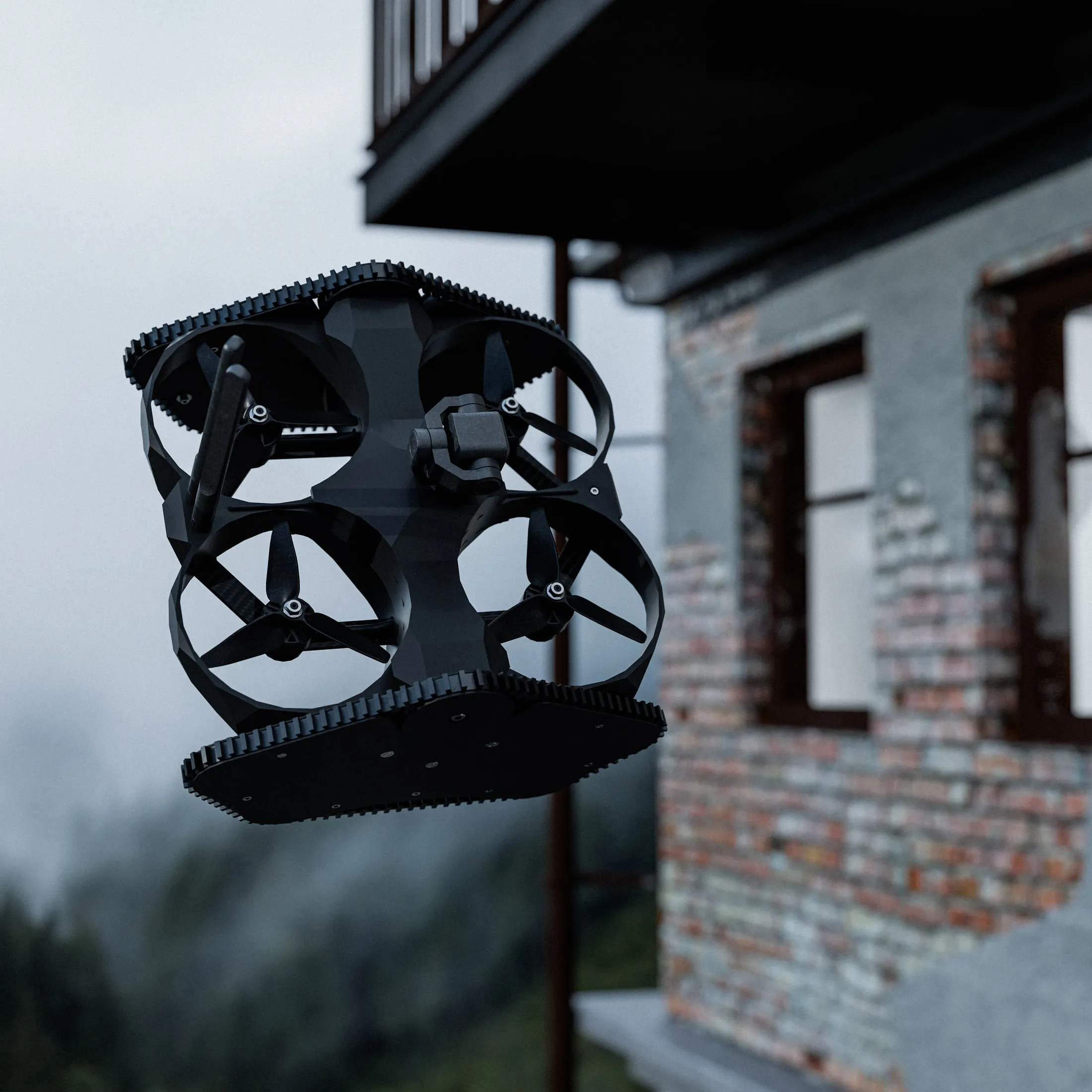
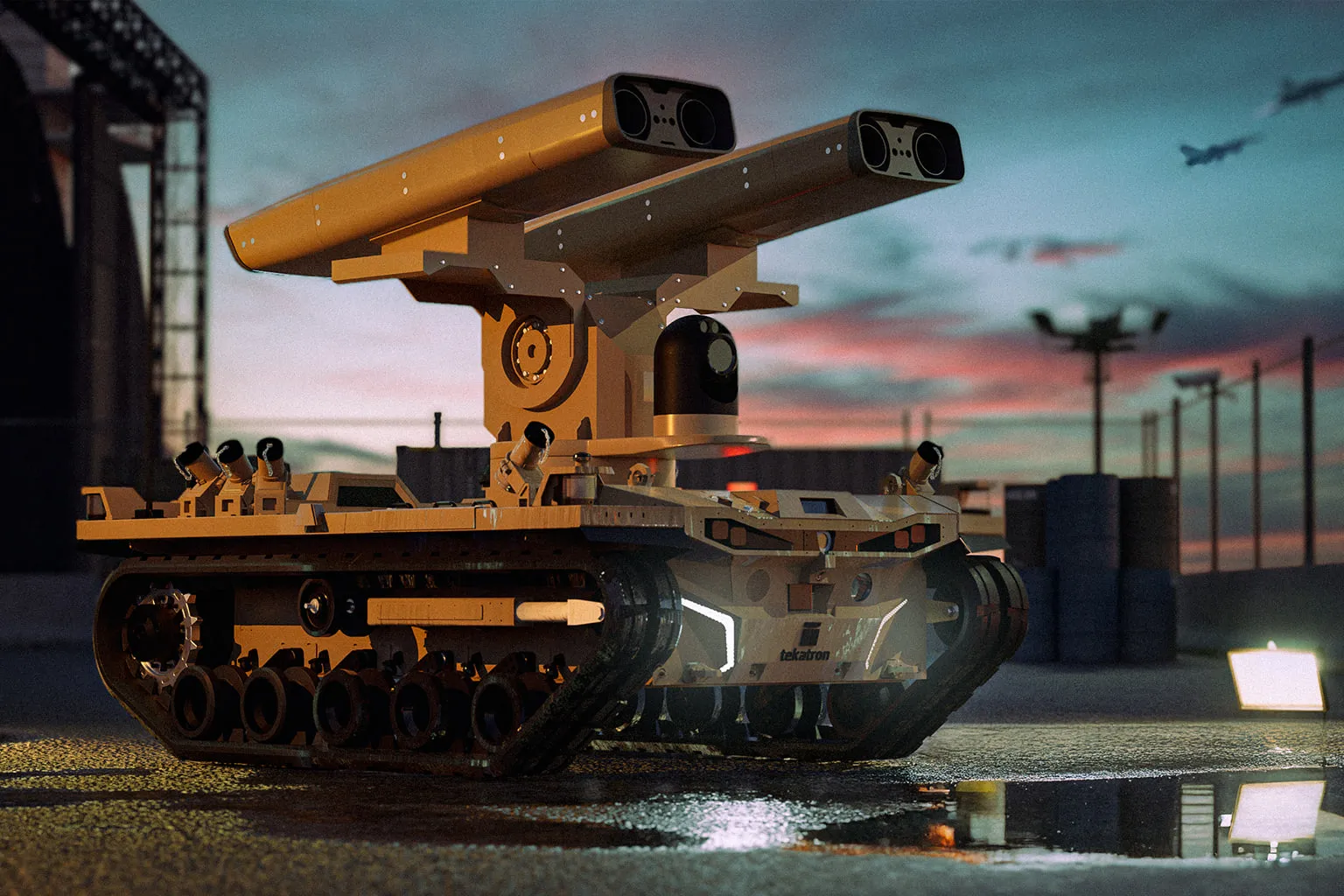
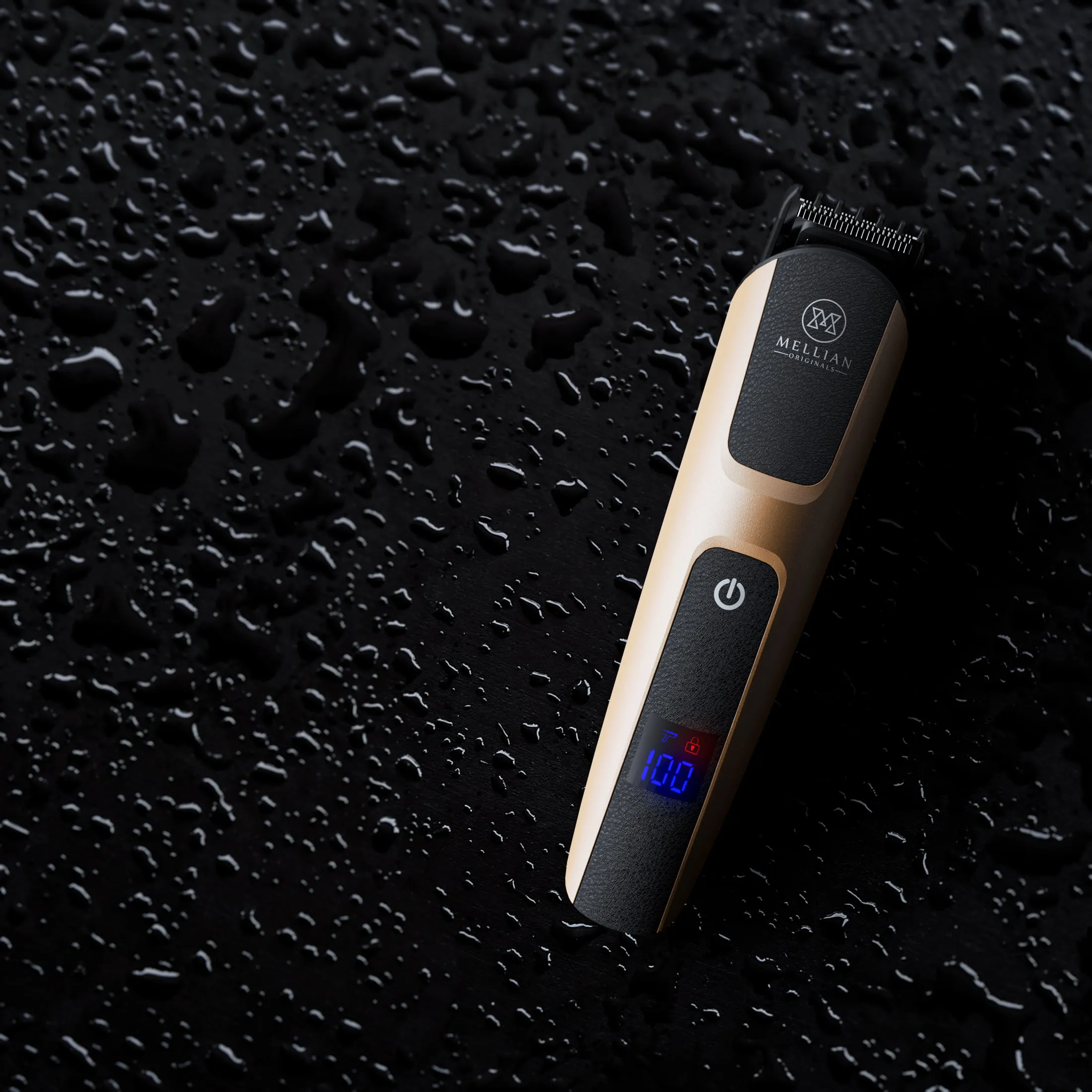
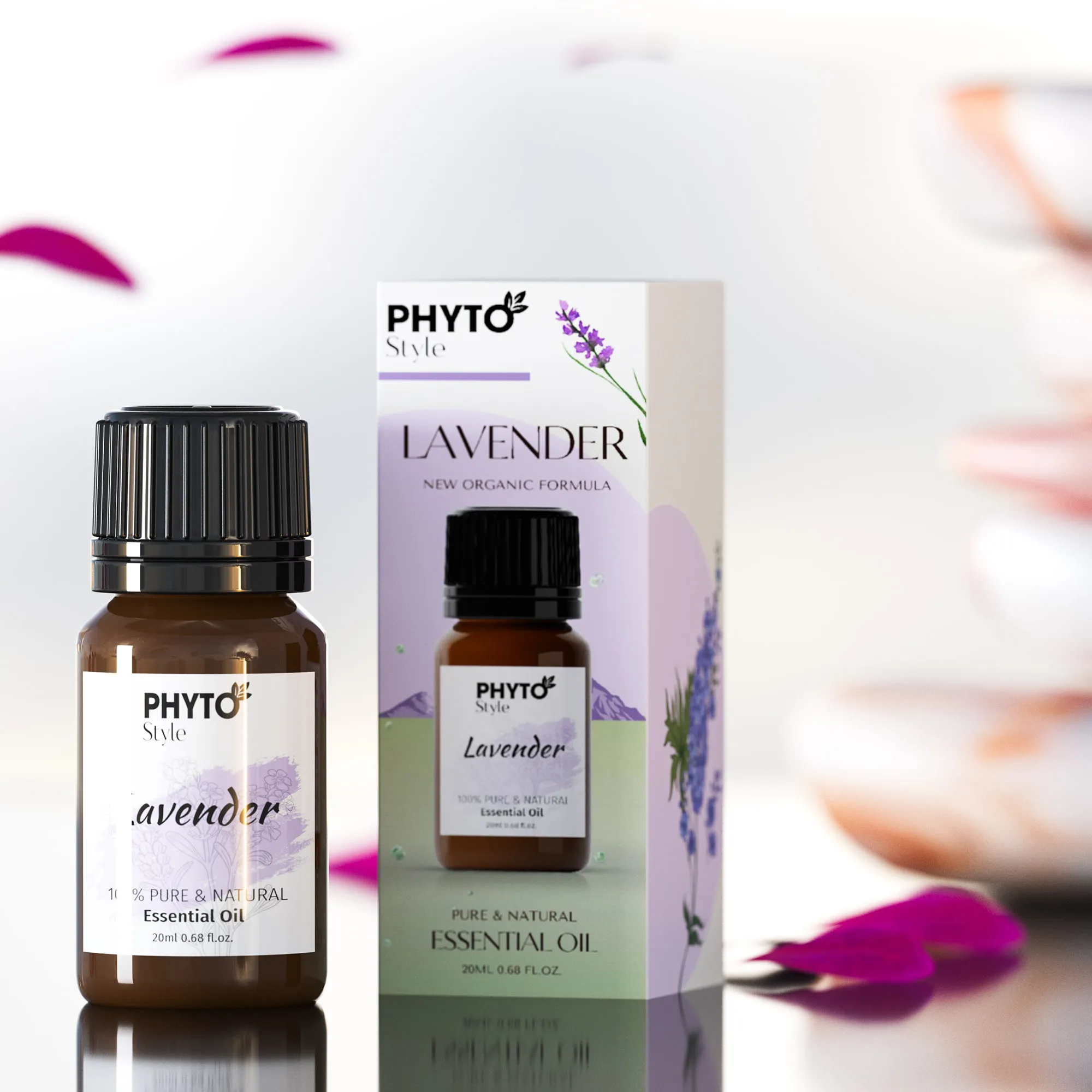
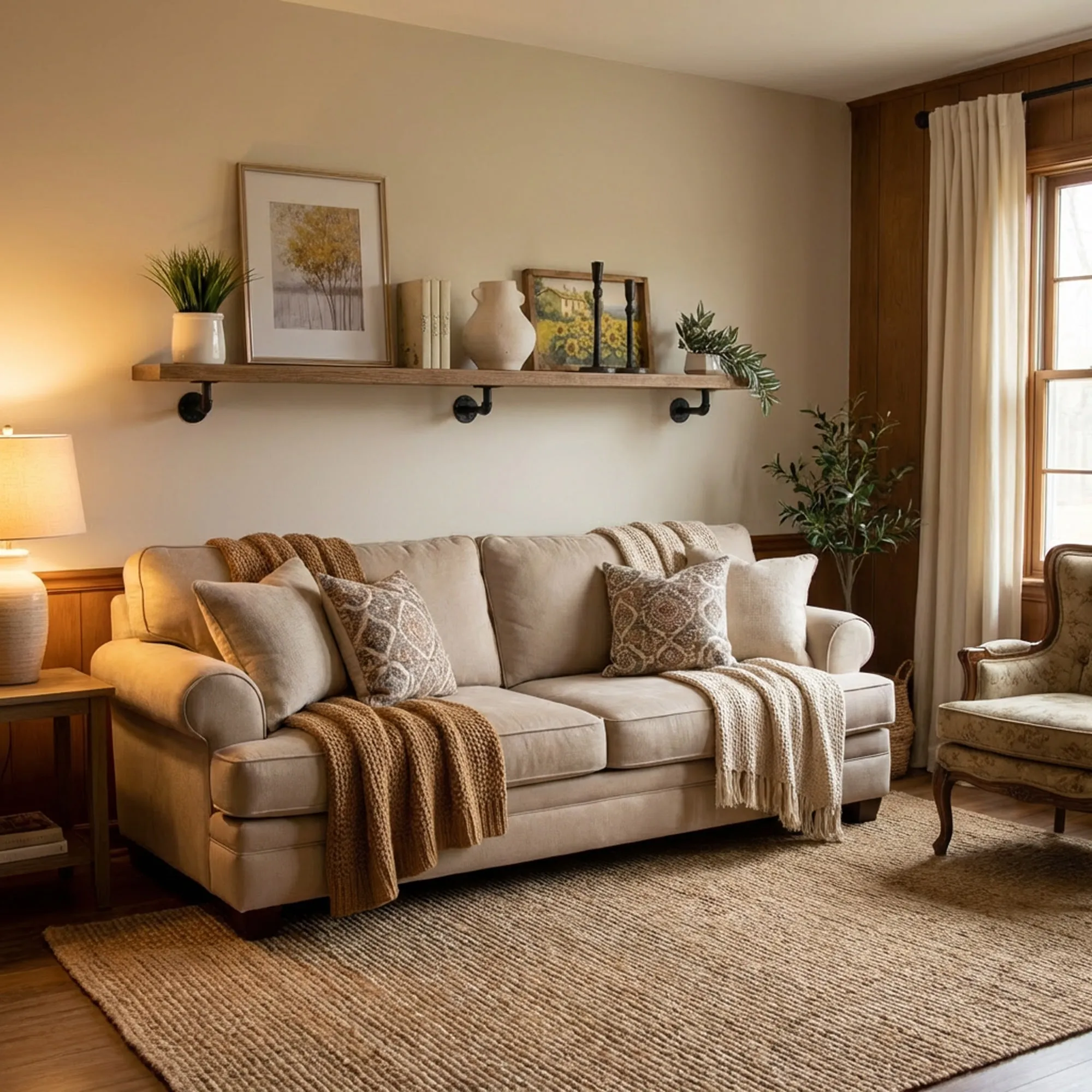

Built from the geometry you manufactured to
When there is CAD, we model straight from it: STEP, IGES, OBJ, FBX, SolidWorks, Rhino, or the native file from whoever engineered the product. The dimensions are exact by definition, and a render built from that model is accurate to the product in the box. Without CAD we rebuild the geometry from a dimensioned drawing, or from photographs and measurements of a sample, and send a greyscale model back for you to check before anything is lit.
A model also keeps pace with a design that is still changing. For Tekatron’s Griffin prototype, the scene was built once and each revision of the prototype was re-rendered into it, so every version was presented on the same terms.
A render model and a web model are different jobs
A model built for rendering is made for one camera. It can carry heavy geometry and large textures because nobody downloads it. A model for a product page is the opposite: every polygon is paid for in download size and frame rate on a phone. Shopify’s guide for people making models for merchants asks for a total file size of about 4 MB, with no texture larger than 2048 pixels.
Getting there is a conversion with its own judgement calls, not an export button. Materials that the renderer calculated procedurally are baked into image maps, geometry is reduced where the eye will not miss it, and the textures come down to size. We have written up what that takes on Shopify in detail.
The right size in the customer’s room
AR puts the product in the customer’s room at the size the file says it is. glTF measures in metres, so a model built in millimetres and exported without conversion arrives a thousand times too large. The dangerous error is a small one: a shelf that is 60 cm in the file and 80 cm in the listing, caught by exactly the customer standing in front of their own wall.
Every AR model we deliver is built at real-world scale, checked against the dimensions in your listing, and has its origin at the centre of its base, which is the point that lands on the floor or the shelf when the customer places it.
On Shopify, with no app
Shopify takes GLB and USDZ files as product media and converts whichever you upload, so the same model opens in AR on an iPhone and on an Android phone. Every Online Store 2.0 theme Shopify has built supports it. On your own site, or a store we build for you, we embed the viewer in the product page directly.
Products sold in several finishes
This is where Shopify gets awkward. A variant can switch the product image, but not the 3D model, so a range sold in several finishes needs a decision. The simplest route is one model in the best-selling finish. The next is a separate model per finish, each added as its own media. The most complete is a custom viewer that switches materials on one model, using the glTF extension built for exactly that. For a range like Wallniture’s, sold in several hand-applied finishes, the first is usually the right place to start and the third is worth building towards once the model has proved itself.
Capabilities
What this covers.
- CAD to render-ready models
- Modelling from drawings or a sample
- AR-ready GLB and USDZ files
- Real-world scale and origin checks
- Material baking and texture optimisation
- Shopify 3D and AR setup
Deliverables
What you receive.
- 01Render-ready model and scene
- 02GLB around 4 MB, textures up to 2048 px
- 03USDZ for iPhone AR on request
- 04Preview image for the product page
- 05Source files on request
Getting started
What to send us.
CAD, if you have it
STEP, IGES, OBJ, FBX, SolidWorks, Rhino or the native file. It adds no time to the schedule.
Drawings or a sample instead
A dimensioned drawing adds a day or two. Photographs from six angles plus measurements of a sample add two to four days.
Finish references
Samples, supplier codes or daylight photographs, and which finish an AR model should carry if there is only one.
Where the model will be used
Renders only, your Shopify store, your own site, or all three, so it is built to the right specification from the start.
Process
How it works.
- 01
Brief and quote
Product, finishes and where the model will be used. A fixed price and a date in writing.
- 02
Greyscale check
The model comes back untextured for you to check proportions and details.
- 03
Materials
Finishes are matched to your references for rendering.
- 04
Web conversion
For AR: materials baked, geometry and textures reduced, scale and origin checked against your listing.
- 05
Device test and delivery
Opened in AR on a real iPhone and a real Android phone before delivery, with full commercial rights on final payment.
Packages
Fixed prices, per product.
Priced per SKU, so you know the cost before you commit. Ranges, room sets and volume work get a written quote against your brief.
Basic Listing Visual
A clean set of hero images for a single product, ready for your store and marketplaces.
$100per product
Start a basic package- 5 studio images on white
- Modeling from your CAD or drawings
- Marketplace-ready crops
- 2 revision rounds
- 7–10 day delivery
Enhanced Listing Visual
Everything in Basic, plus lifestyle context and detail shots that carry a full product page.
$200per product
Start an enhanced package- 10 images: studio, lifestyle & detail
- Custom environment and set dressing
- Infographic-ready transparent PNGs
- One 5-second motion loop
- 2 revision rounds
- 10–14 day delivery
All prices in USD. Full commercial rights transfer to you on final payment.
Questions
Common questions.
Still unsure about something? Email us and a real person replies, usually the same day.
How much does a 3D product model cost?
Modelling is included in every rendering package, from $100 per product for five studio images. AR-ready GLB and USDZ files are quoted per product, because the work depends on the product’s complexity and how many finishes the model has to carry.
What file formats do you deliver?
GLB for the web and Shopify, USDZ for Apple’s AR on request, FBX or OBJ for other software, and the native scene file if you want it. Tell us where the model will be used and we will recommend the set.
Can you make a 3D model from photos instead of CAD?
Yes. Photographs of a sample from six angles plus a handful of measurements are enough for most products. It is the usual route for older products whose original CAD is gone, and it adds two to four days.
Does Shopify need an app to show 3D models?
No. Shopify accepts GLB and USDZ files as product media with no app and no code, and every Online Store 2.0 theme Shopify has built displays them and opens them in AR.
Will the model be the right size in AR?
Yes. Every AR model is built in real-world units, checked against the dimensions in your listing, and has its origin at the centre of its base so it lands on the floor or the shelf correctly.
Do 3D models increase conversion?
Shopify’s own figures, from a Rebecca Minkoff case study, are that shoppers who viewed a product in 3D were 44% more likely to add it to their cart, and those who viewed it in AR were 65% more likely to buy. They compare shoppers who chose to open the model with those who did not, so some of the difference is the shopper rather than the model.
Related services
More from 3D Product Rendering.
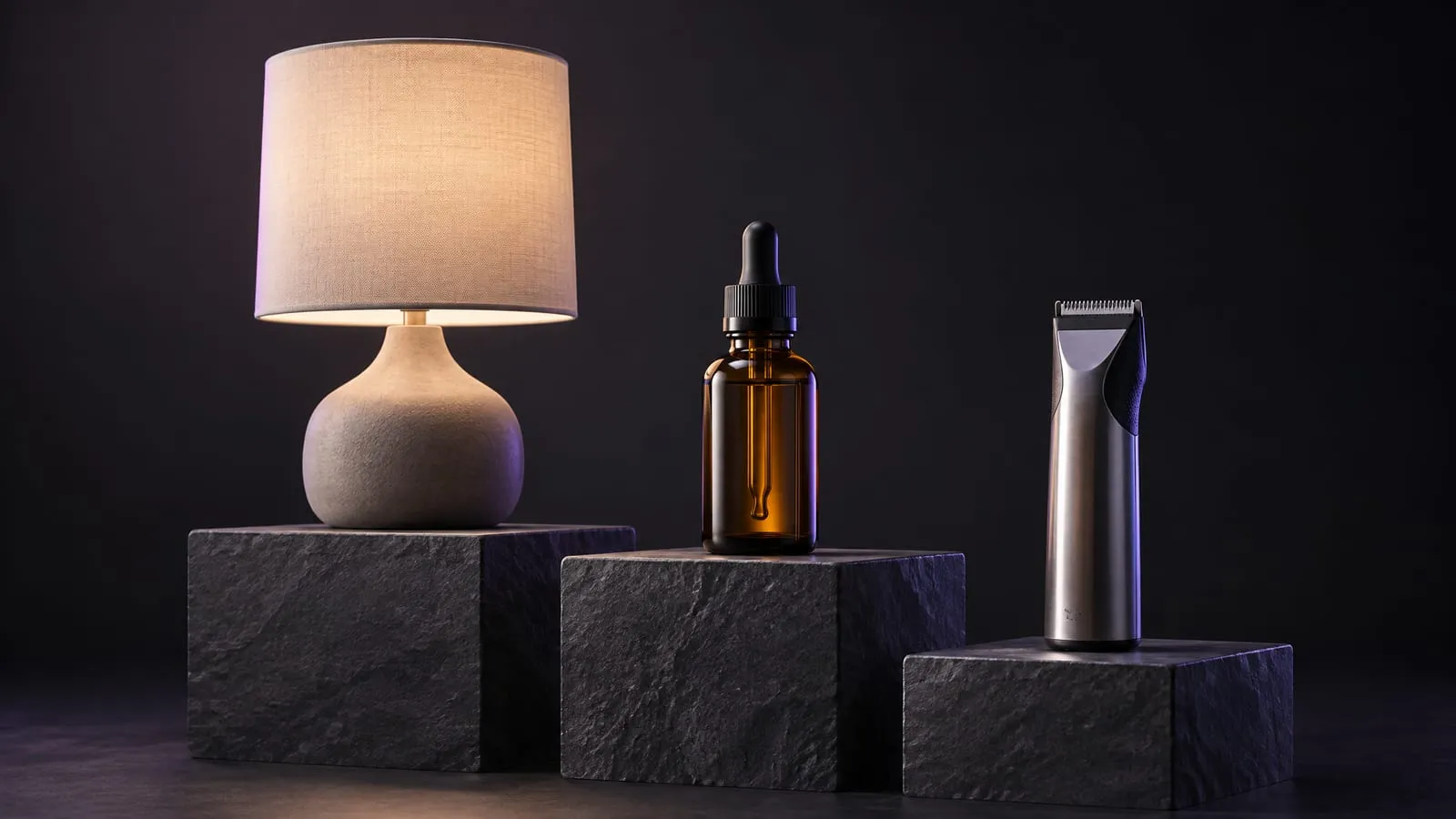
3D Product Rendering
Photoreal 3D product and interior imagery, built before the first unit exists.
From $100
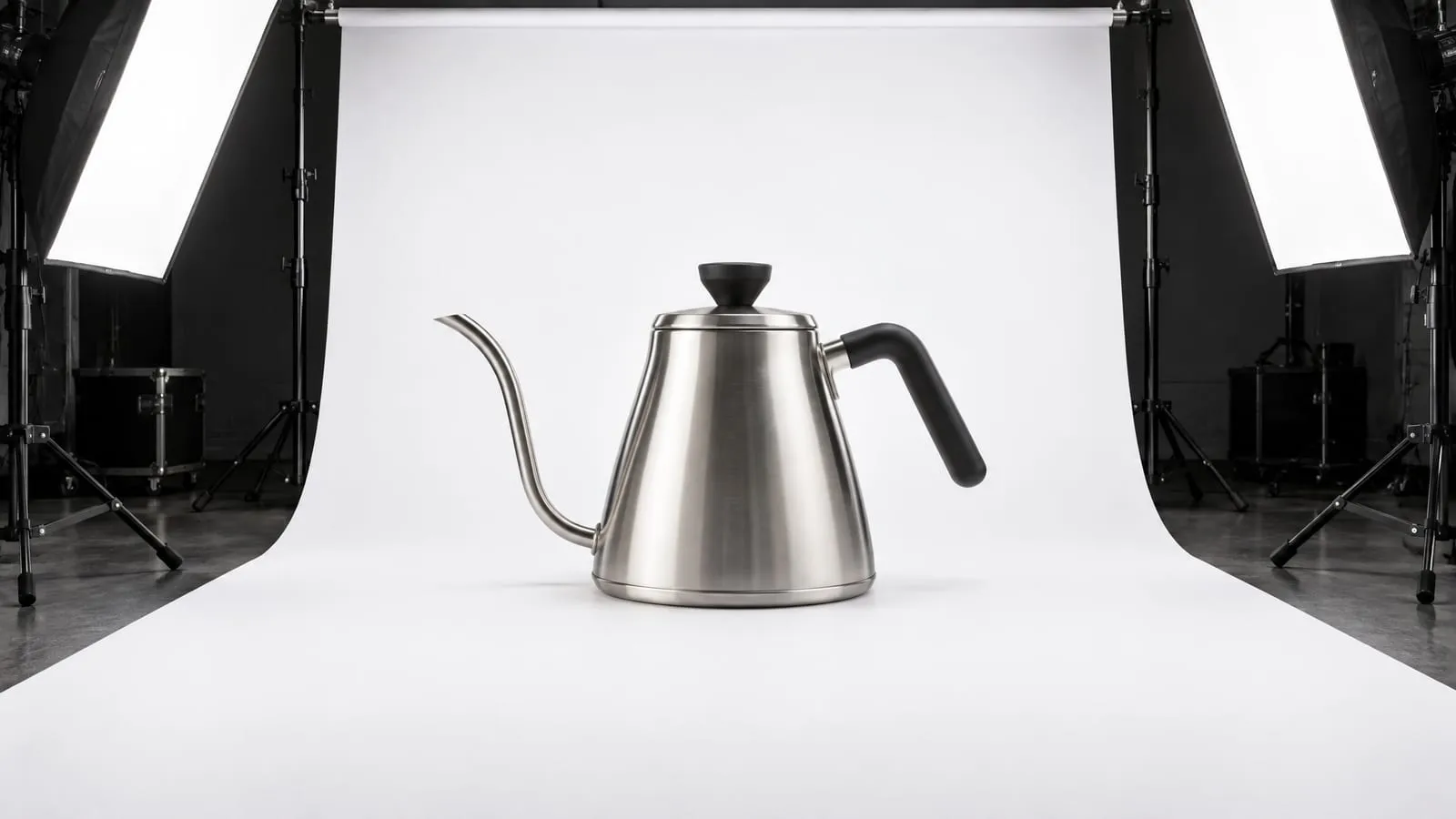
Amazon Product Rendering
A full Amazon listing set rendered from CAD, from the main image to the infographics.
From $100
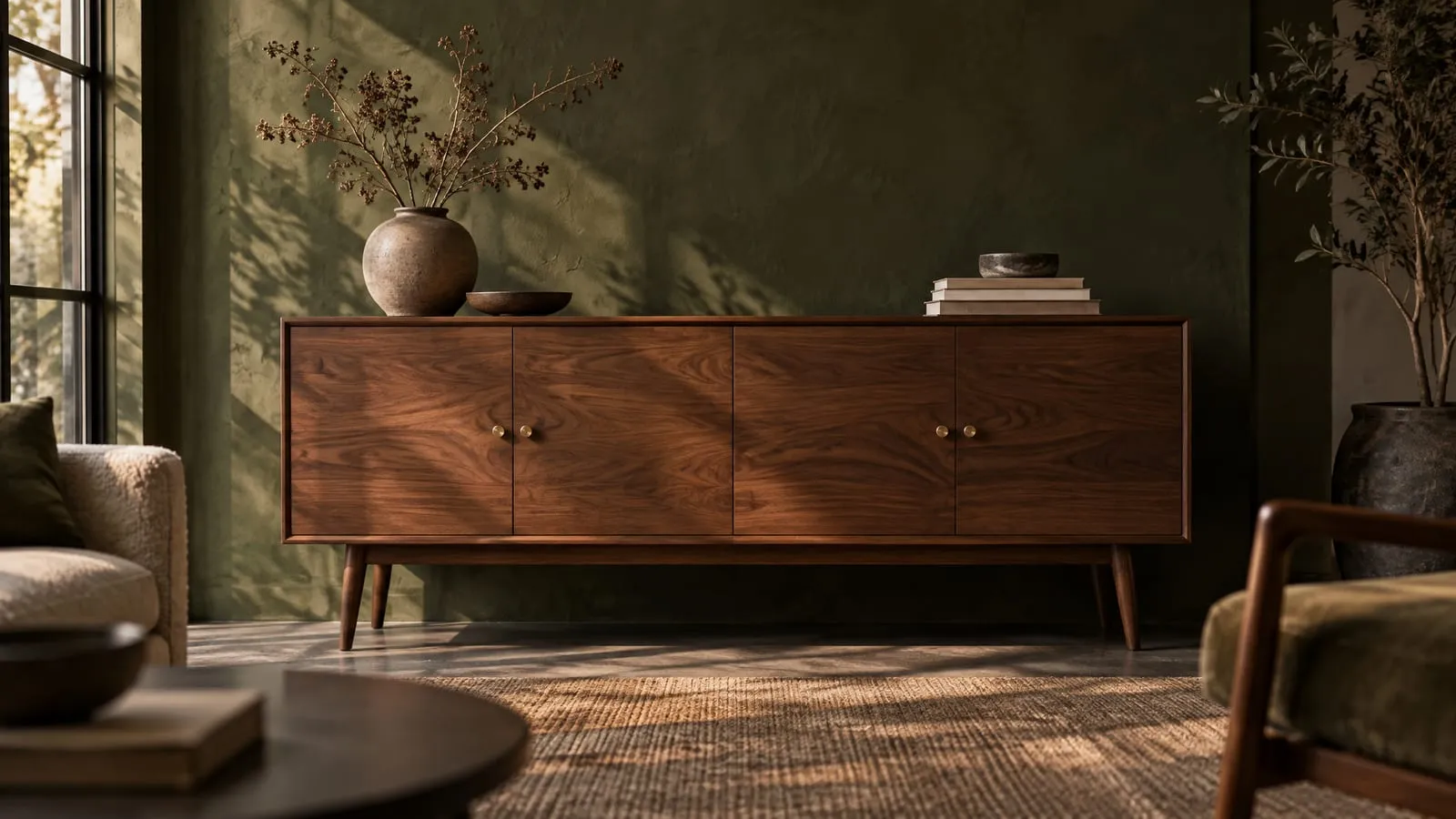
Furniture Rendering
Furniture, shelving and home décor in every finish, on white or in a room.
From $100
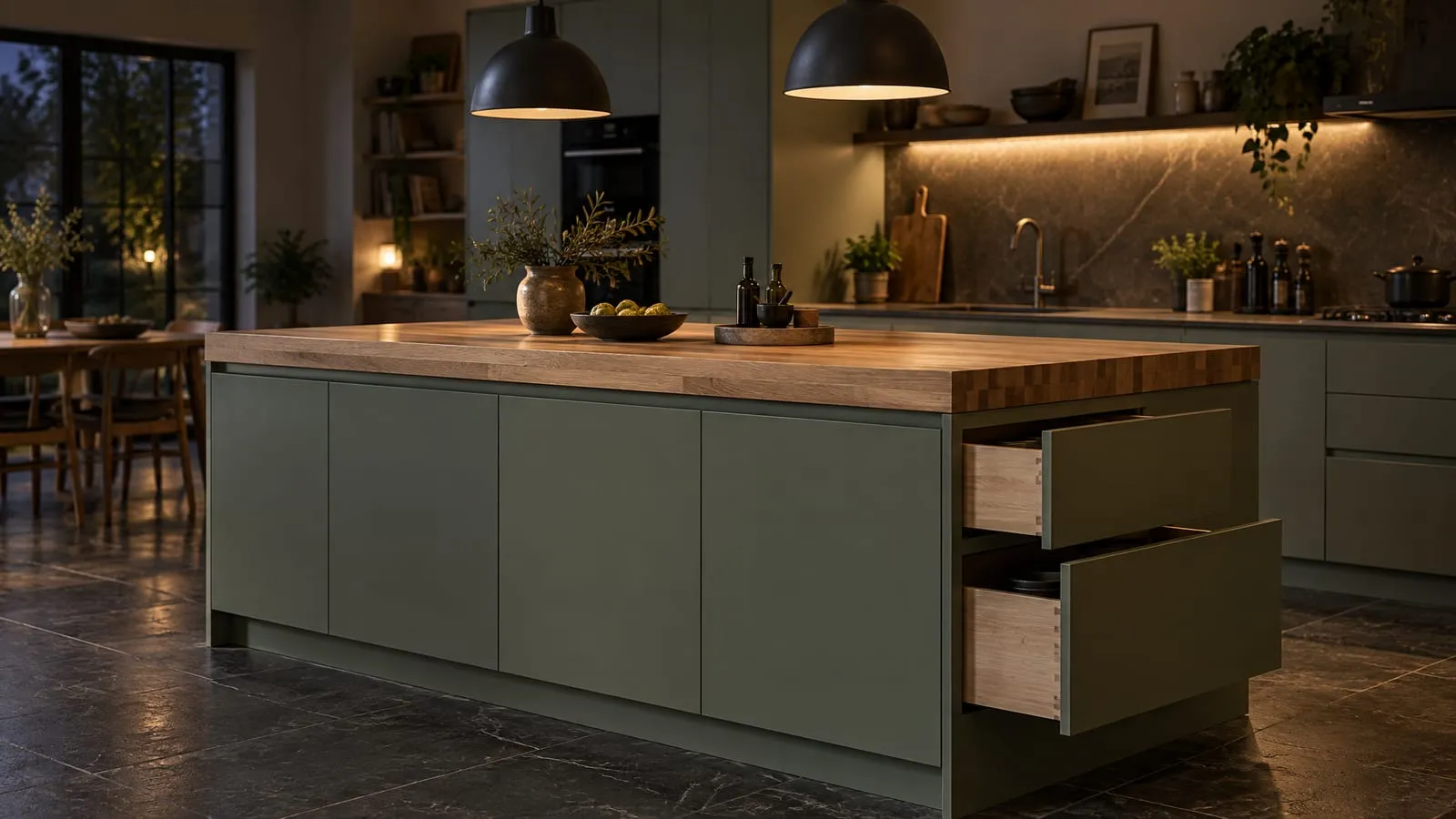
Kitchen & Cabinetry Rendering
Kitchens and cabinetry rendered for the people who make them, in every finish.
From $100
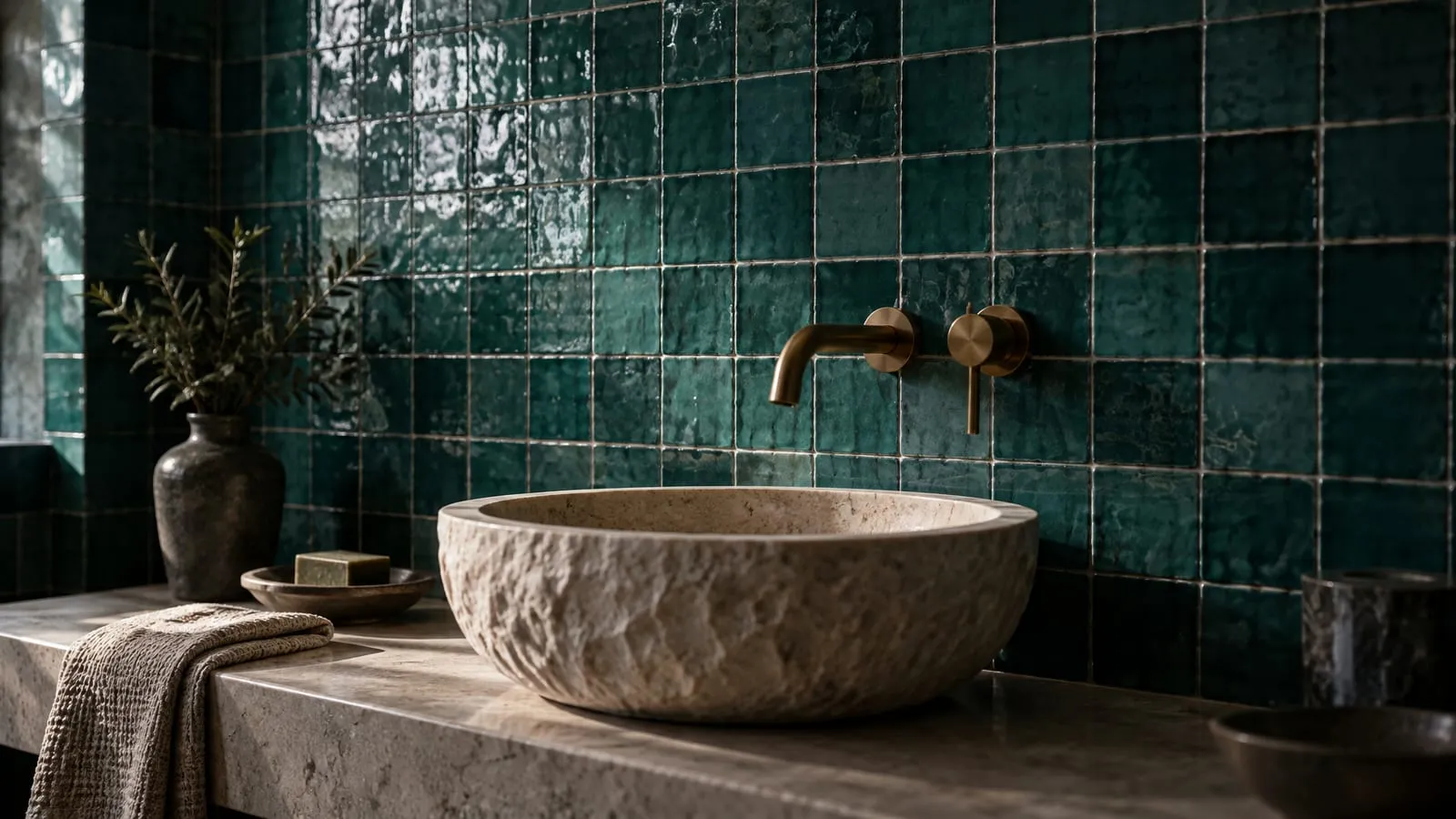
Tile Visualization
Reusable 3D rooms that show a tile collection laid, grouted and lit in every setting.
From $100
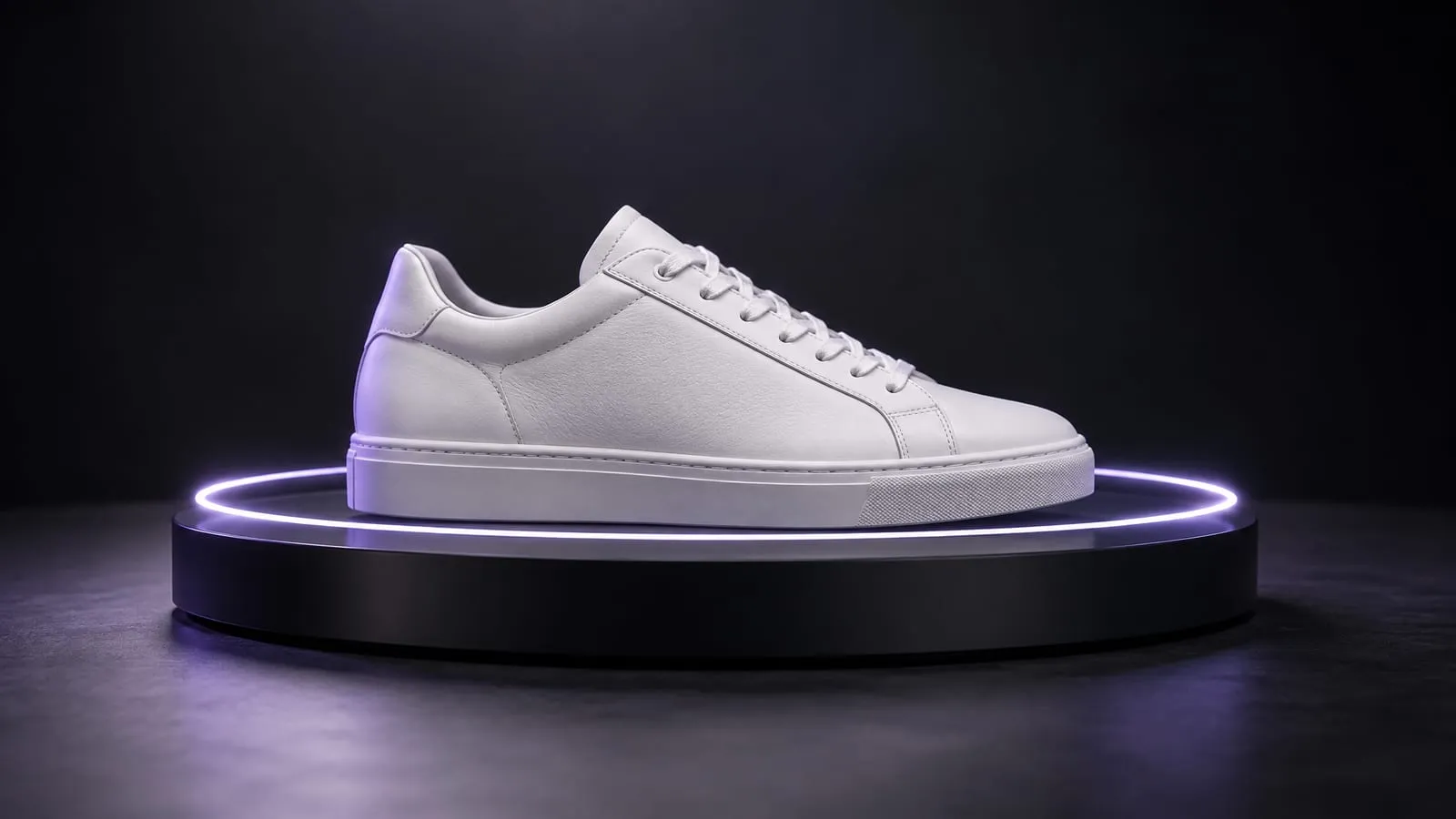
360° Product Spins
A full turn of the product, rendered frame by frame instead of shot on a turntable.
Custom quote
From the blog
Worth reading first.
Let's get your product
ready to launch.
Send us your CAD files, a sketch, or just a description of what you are building, and tell us how far you need it taken. We come back with a fixed quote and a date.