Furniture Rendering
Furniture is where 3D pays for itself fastest. A range comes in finishes, sizes and configurations, a sample of every one never exists at the same time, and a room set built for a shoot is taken down the same evening. We model each piece once to its real dimensions, and every finish and every room after that is a render.
From $100per product: five studio images on white, 7–10 days. $200 adds a styled room and detail shots.
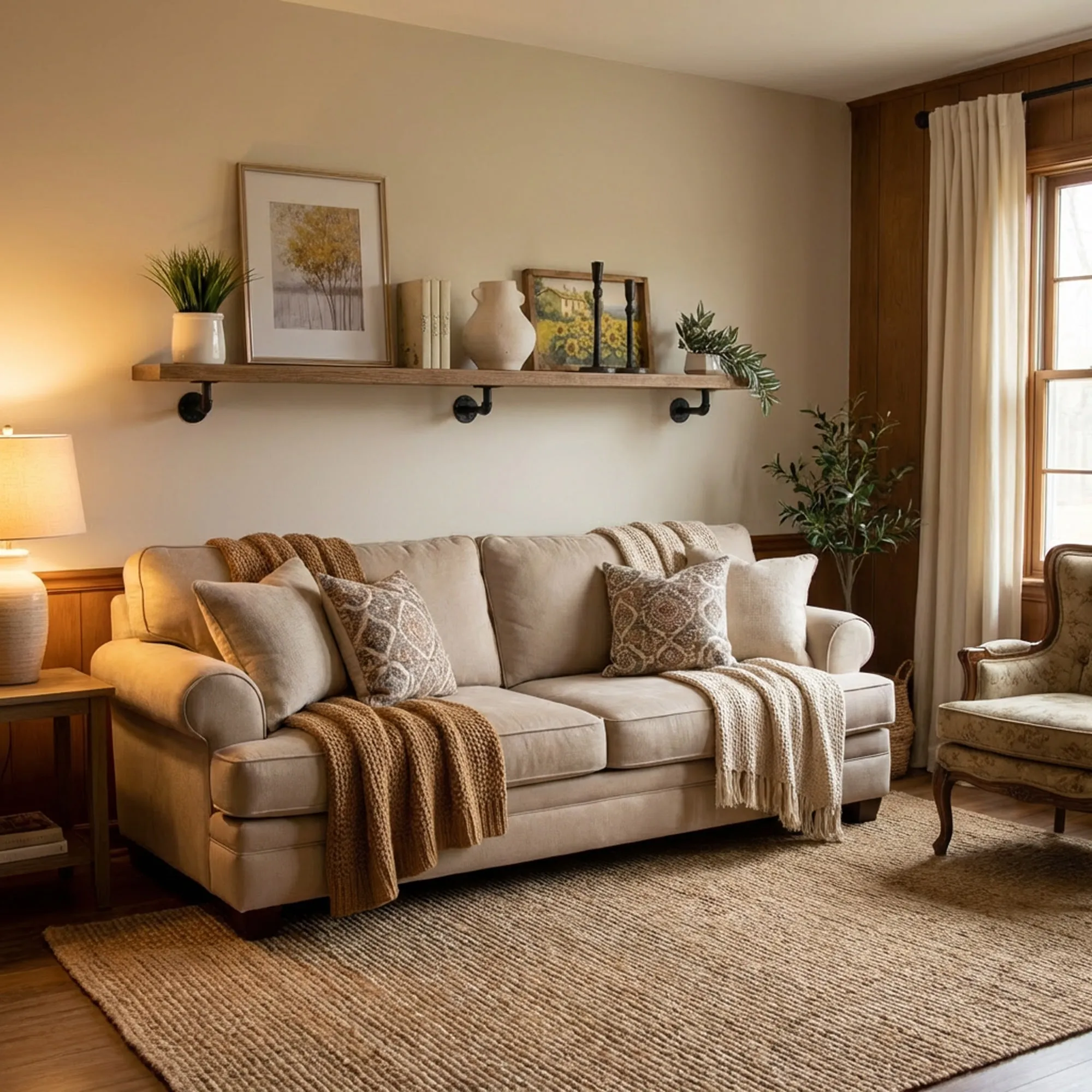
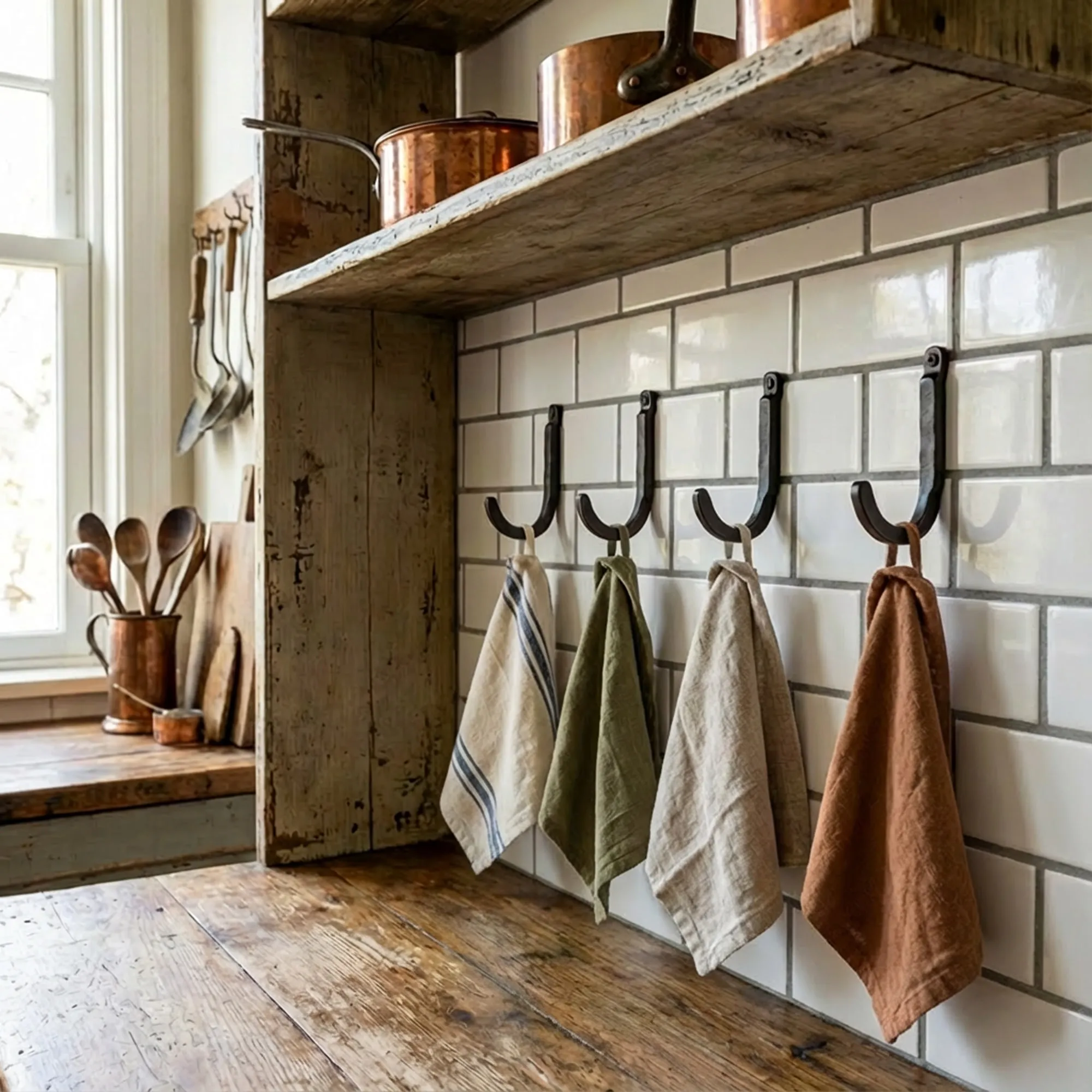
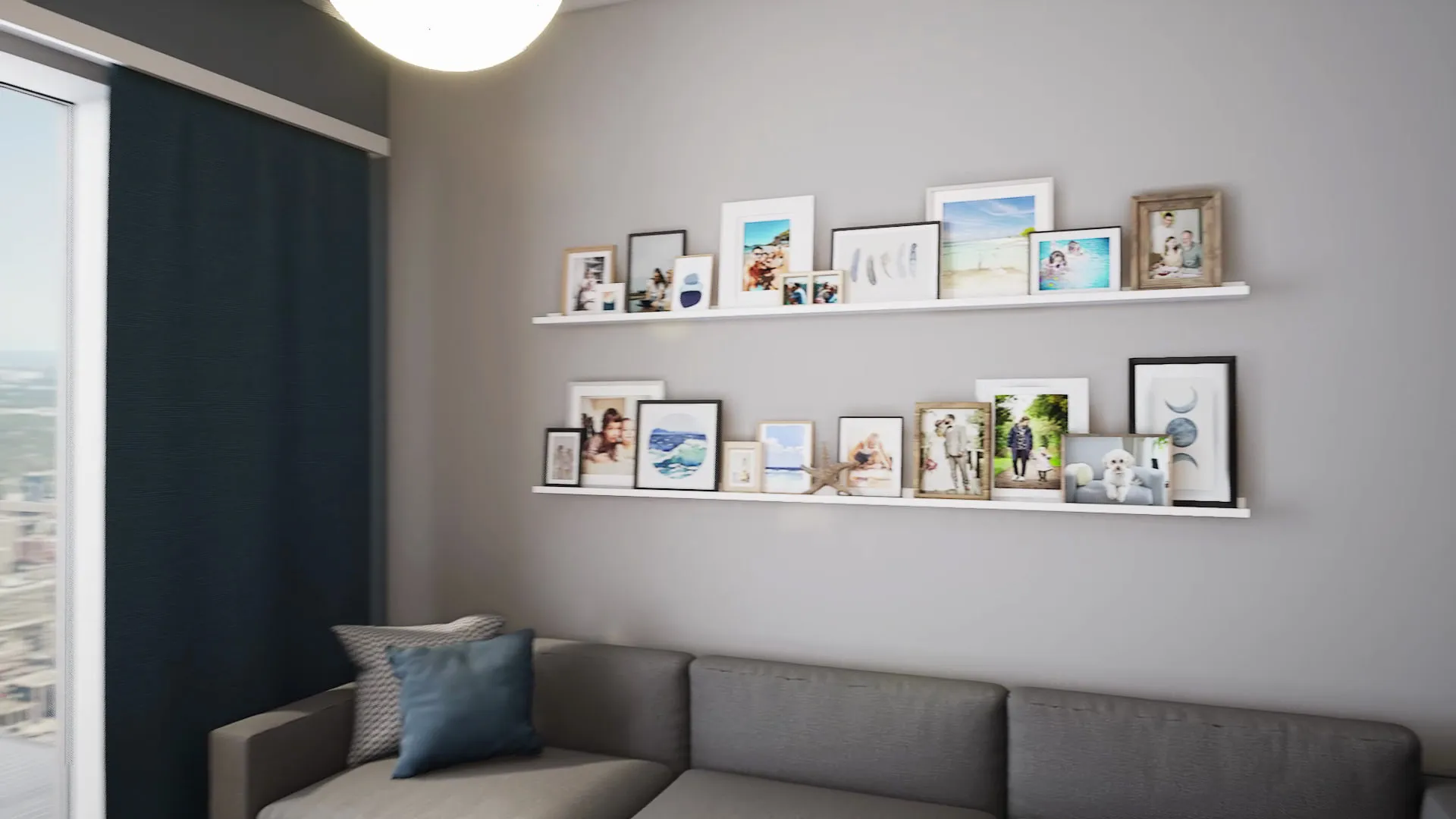
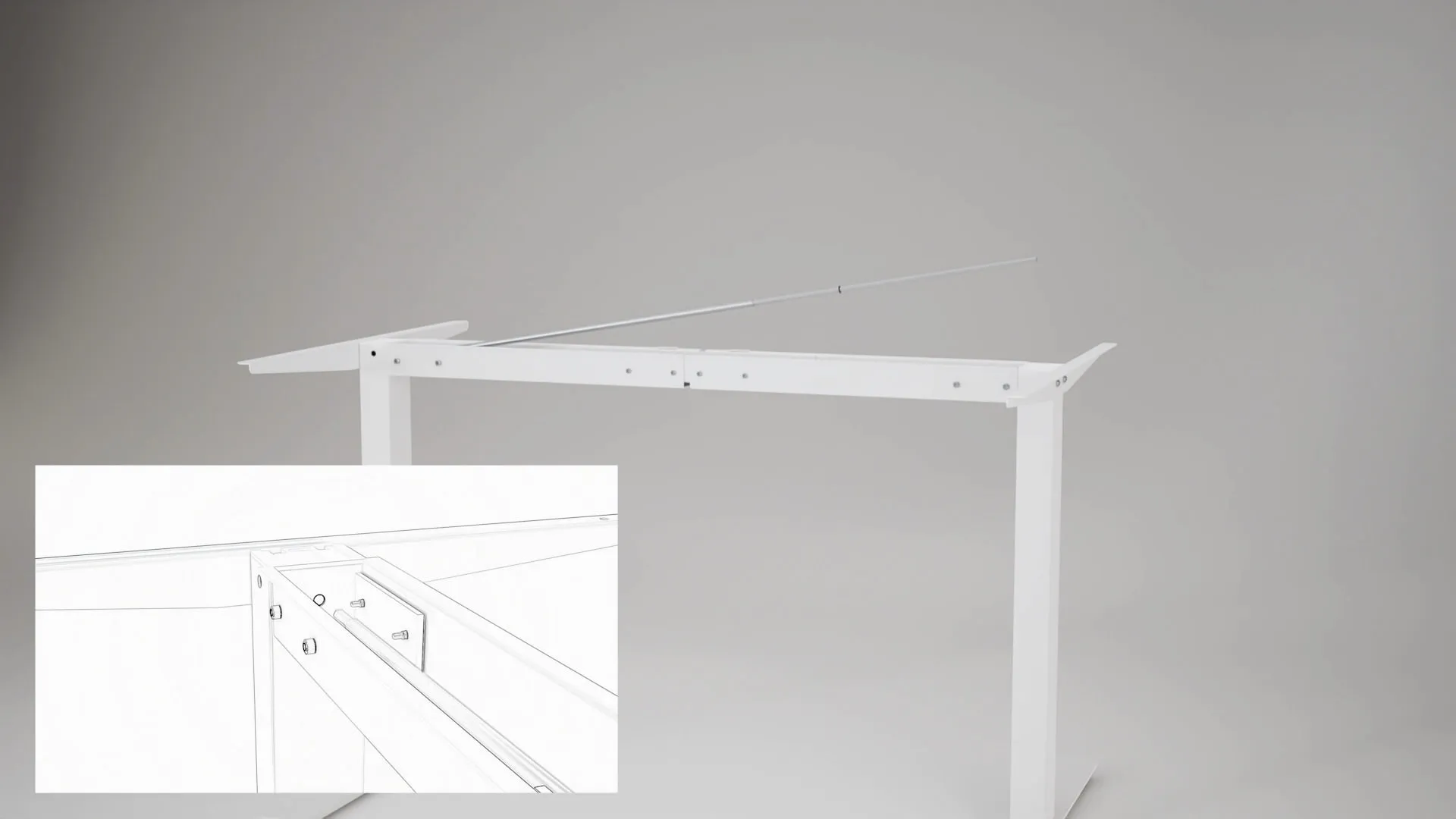
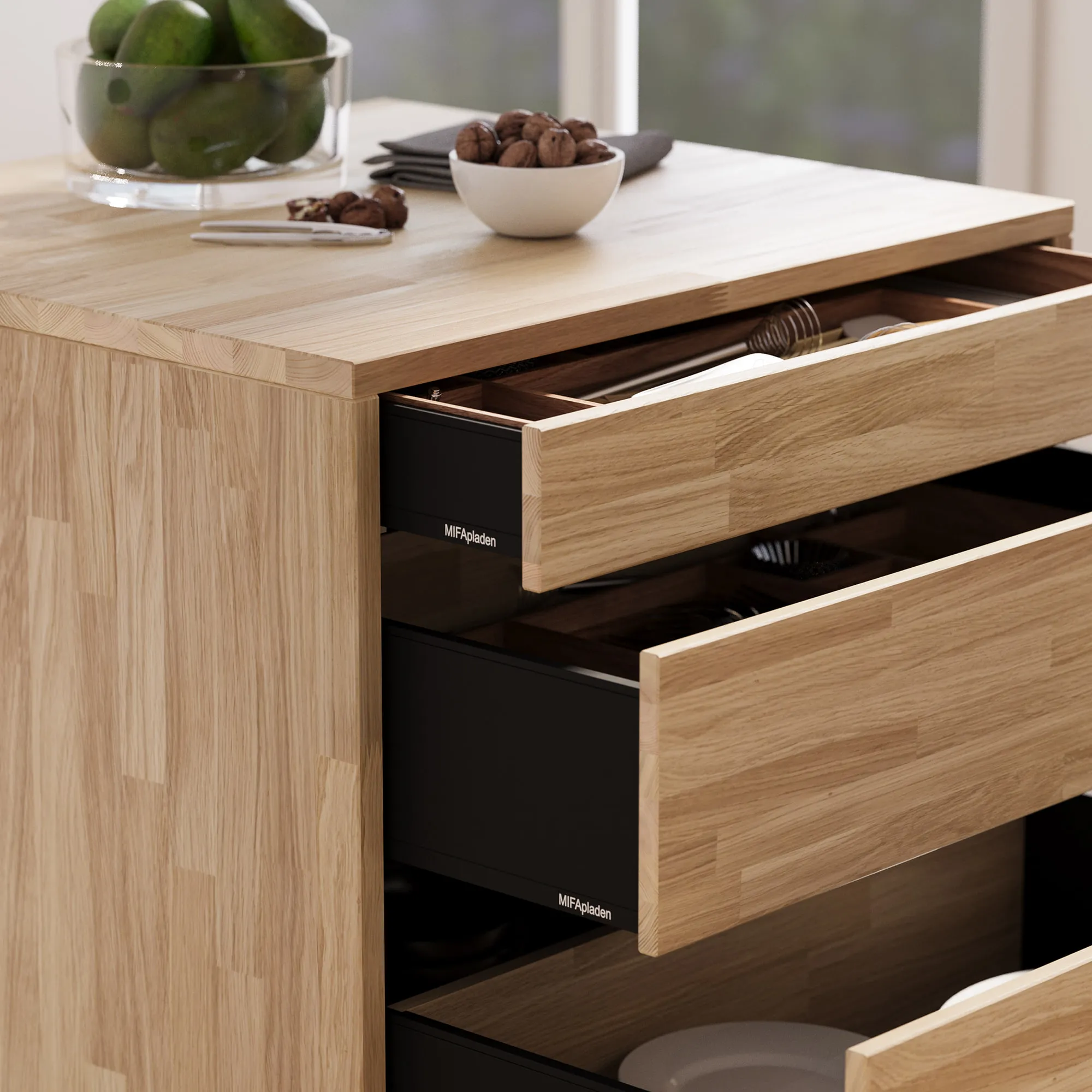
Every finish from one model
A shelf in seven finishes is one model with seven materials. Wallniture’s wholesale range runs to ten shelf profiles in seven hand-applied finishes: seventy combinations that nobody would photograph one by one, and every one of them is a render of a model that already exists. Kitchens multiply the same problem by doors, worktops and handles, which is why they have their own page.
The finish is where furniture renders succeed or fail. Oak has to read as oak at a glance, with the grain running the way the board was cut, and a lacquer has to hold its highlight without turning to plastic. We match finishes to your physical samples, your supplier’s finish codes, or photographs of a finished piece in daylight.
In the room it sells into
Most furniture sells on the room rather than the object. Over ten years and more than 20,000 images for Wallniture, the scenes have covered living rooms, kitchens, bathrooms, home offices, nurseries and playrooms, and full commercial interiors including a wine store, a coffee bar and a bookshop. The sets are built to be reused, which is what keeps a catalogue that size affordable to extend.
Scale is the thing a render cannot get wrong and a styled shoot often does. A shelf sits at its real height on a real wall, beside furniture at its real size, because every object in the scene was built to dimension. Where the room itself is the point, the scene can go further: for Capstone we rebuilt a real New Jersey apartment in Unreal Engine 5 and furnished it end to end with the Wallniture range.
Small pieces, sold by the room
Home décor has the opposite problem to a sofa. A wrought hook, a towel bar or a pulley sconce reads as small and unremarkable on a white background, and what sells it is the room it belongs to. For Rustic State’s cast iron range, most of the work is scene-building: reclaimed board walls and a mudroom bench for the coat hooks, white subway tile for the kitchen rail, a shiplap living room lit by the sconces themselves.
Build quality still matters, and a camera can go anywhere in a 3D scene, so a close-up of a joint, a bracket or a fixing costs a camera move rather than a macro shoot. The cabinetry detail studies run from the finished room down to a single finger-jointed oak corner.
Rendered to sit beside your photography
Most of our furniture clients use both, each where it wins. For Wallniture, the hero pieces are photographed where material and texture carry the sale, and CGI covers the long tail of finishes, sizes and configurations where a shoot per SKU would never pay. The two are matched closely enough to sit side by side in the same listing without the seam showing.
The one area where we would often point you to a photographer first is upholstery. Fabric drape, pile and stitching are where CGI costs the most to get right and photography costs the least. Hard furniture in timber, metal, lacquer and stone is where rendering is strongest. We have written up where each method wins in more detail.
From renders to 3D and AR on your store
The model behind your renders is most of a 3D model for your product page, once its materials are baked and its textures cut to size, and Shopify can show it in AR without an app. A buyer placing a shelf on their own wall at its real size answers the question every furniture listing has to answer. We cover what that takes on Shopify, and the same model can drive an assembly animation for pieces that ship flat.
Capabilities
What this covers.
- Case goods, shelving and storage
- Wall décor and home accessories
- Finish, size and configuration variants
- Room sets and lifestyle scenes
- Construction and hardware close-ups
- Retailer and marketplace image sets
Deliverables
What you receive.
- 01Studio images on white, per finish
- 02Room scenes in every setting you sell into
- 03Detail and construction close-ups
- 04Transparent PNGs and every marketplace ratio
- 05Source scene for future finishes, on request
Getting started
What to send us.
CAD or production drawings
The STEP, SolidWorks or Rhino file from whoever engineered the piece, or the dimensioned drawings it was built from. CAD adds no time; drawings add a day or two.
Finish references
Physical samples, supplier finish codes, or photographs of a finished piece in daylight. Finishes are matched to these, not to a library material that is close enough.
A sample, if there is no CAD
Photographs from six angles and a handful of measurements. This is the usual route for older pieces whose original files are gone, and it adds two to four days.
Where it sells
The rooms your customers buy for, the retailers and marketplaces you list on, and any existing photography the renders need to sit beside.
Process
How it works.
- 01
Brief and quote
You send the pieces, the finishes and where the images will be used. You get a fixed price and a delivery date in writing.
- 02
Greyscale check
Each piece comes back untextured first, so proportions, profiles and hardware can be corrected before anything is lit.
- 03
Finishes and scenes
Materials are matched to your references, and room scenes are dressed for the settings your customers buy for.
- 04
Two revision rounds
Both included. Further finishes after sign-off are re-renders of the same scene, not new builds.
- 05
Delivery
Every ratio you need, with full commercial rights transferred on final payment and the source scene on request.
Packages
Fixed prices, per product.
Priced per SKU, so you know the cost before you commit. Ranges, room sets and volume work get a written quote against your brief.
Basic Listing Visual
A clean set of hero images for a single product, ready for your store and marketplaces.
$100per product
Start a basic package- 5 studio images on white
- Modeling from your CAD or drawings
- Marketplace-ready crops
- 2 revision rounds
- 7–10 day delivery
Enhanced Listing Visual
Everything in Basic, plus lifestyle context and detail shots that carry a full product page.
$200per product
Start an enhanced package- 10 images: studio, lifestyle & detail
- Custom environment and set dressing
- Infographic-ready transparent PNGs
- One 5-second motion loop
- 2 revision rounds
- 10–14 day delivery
All prices in USD. Full commercial rights transfer to you on final payment.
Questions
Common questions.
Still unsure about something? Email us and a real person replies, usually the same day.
How much does 3D furniture rendering cost?
From $100 per product for five studio images on white, with modelling from your CAD or drawings and two revision rounds included. The $200 Enhanced package is ten images covering studio, a styled room and detail shots. Full room sets, catalogue ranges and ongoing work are quoted, with volume pricing available.
Can you render every finish we offer?
Yes. A new finish is a material change on a model that already exists, followed by a re-render, so a range in several finishes does not mean building the piece several times. Send the full finish list with the brief so it is quoted together.
Will the renders match our product photography?
That is how most of our furniture clients use them: photography for the hero pieces, renders for the long tail of finishes and sizes. We match lighting direction, lens, depth of field and colour treatment so the two sit in the same listing without the seam showing.
Do you render upholstered furniture?
We can, but it is the one case where we would often suggest a photographer first. Fabric is where CGI costs the most to get right and photography the least. If a range is upholstered and it is the frame or the finishes that vary, a mix of the two usually works out best.
Can the same models be used for AR or a 3D viewer?
Yes, with some preparation. A render model is built for one camera, while a model for a product page has to load quickly on a phone, so its materials are baked and its textures resized. Shopify shows the result in AR without an app.
How long does a furniture rendering project take?
A single piece takes seven to ten days, or ten to fourteen with the Enhanced package. Room sets and larger ranges run two to four weeks depending on scope, and the date is committed in writing before we start.
Related services
More from 3D Product Rendering.

3D Product Rendering
Photoreal 3D product and interior imagery, built before the first unit exists.
From $100
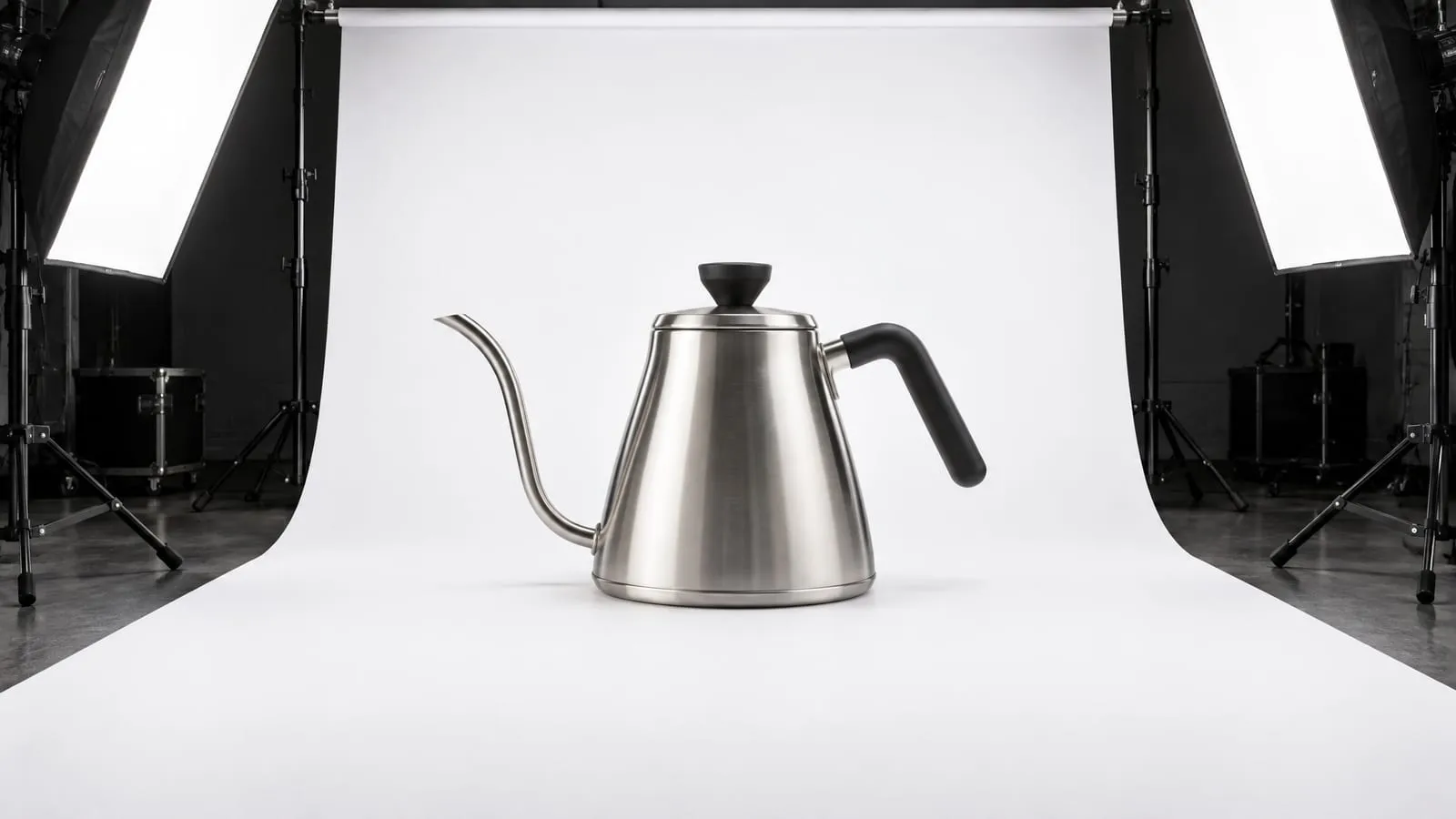
Amazon Product Rendering
A full Amazon listing set rendered from CAD, from the main image to the infographics.
From $100
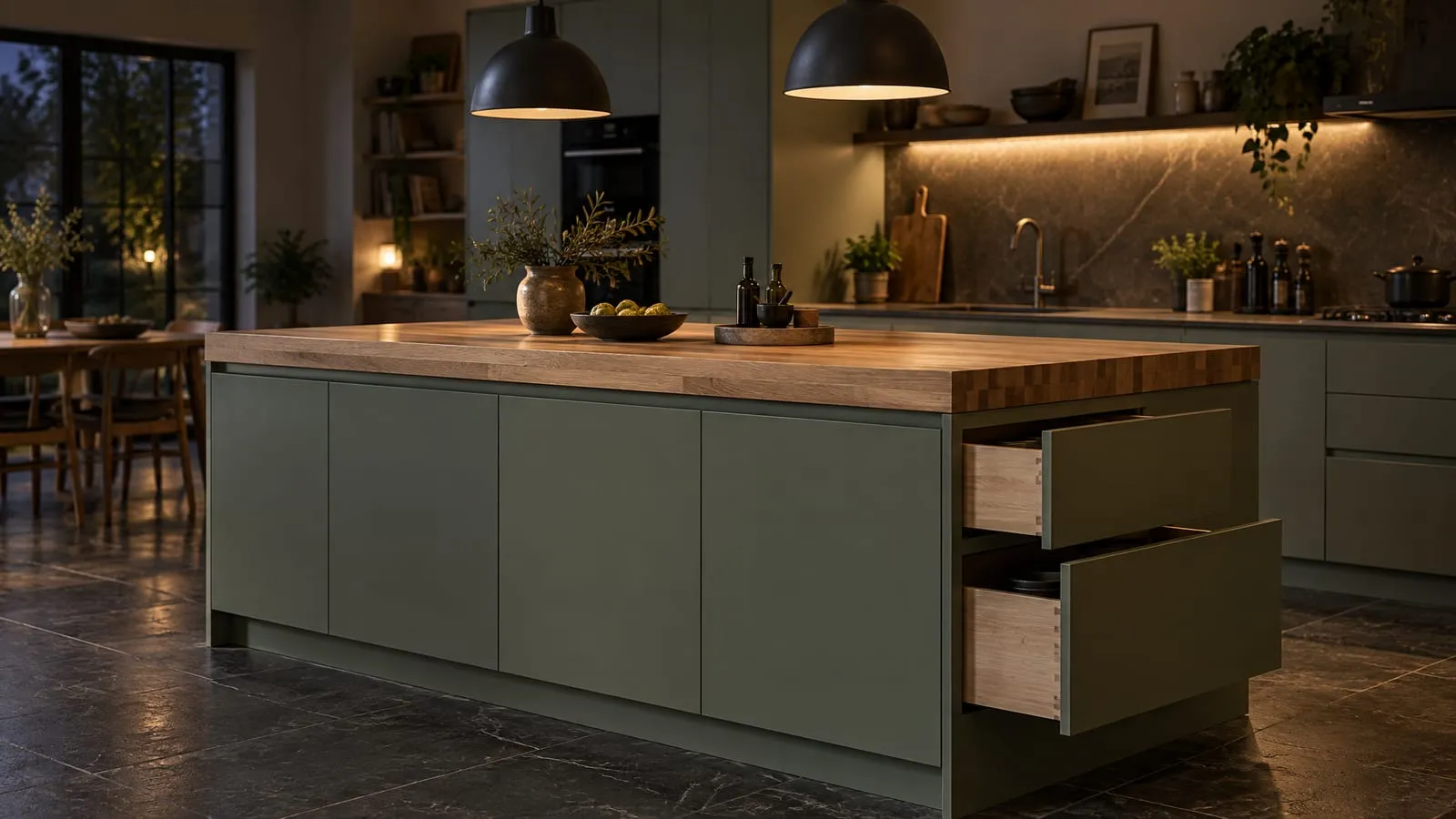
Kitchen & Cabinetry Rendering
Kitchens and cabinetry rendered for the people who make them, in every finish.
From $100
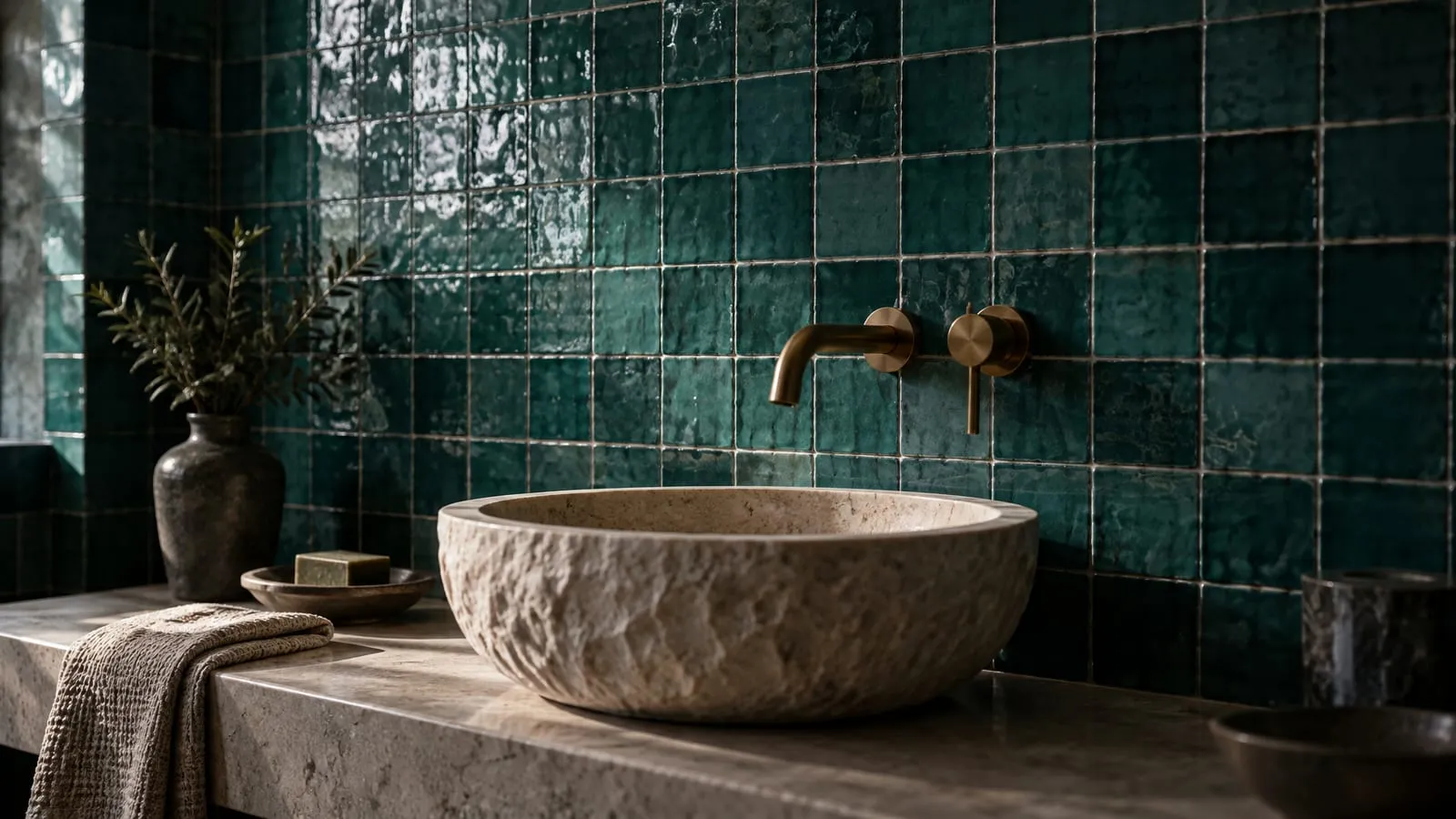
Tile Visualization
Reusable 3D rooms that show a tile collection laid, grouted and lit in every setting.
From $100

360° Product Spins
A full turn of the product, rendered frame by frame instead of shot on a turntable.
Custom quote
3D Product Modeling
CAD-accurate models for rendering, and AR-ready GLB and USDZ files for your store.
From $100
From the blog
Worth reading first.
Let's get your product
ready to launch.
Send us your CAD files, a sketch, or just a description of what you are building, and tell us how far you need it taken. We come back with a fixed quote and a date.