Industrial & Training Animation
Industrial products are hard to photograph and harder to explain. The interesting part is inside a housing, or happens while the machine is running, or only exists as a prototype. We animate it from your CAD: how it works, how it is assembled and serviced, and how it looks in the place it will be used.
Custom quotePriced on film length, how many parts move, and how much the CAD needs preparing.
Films for products still being built
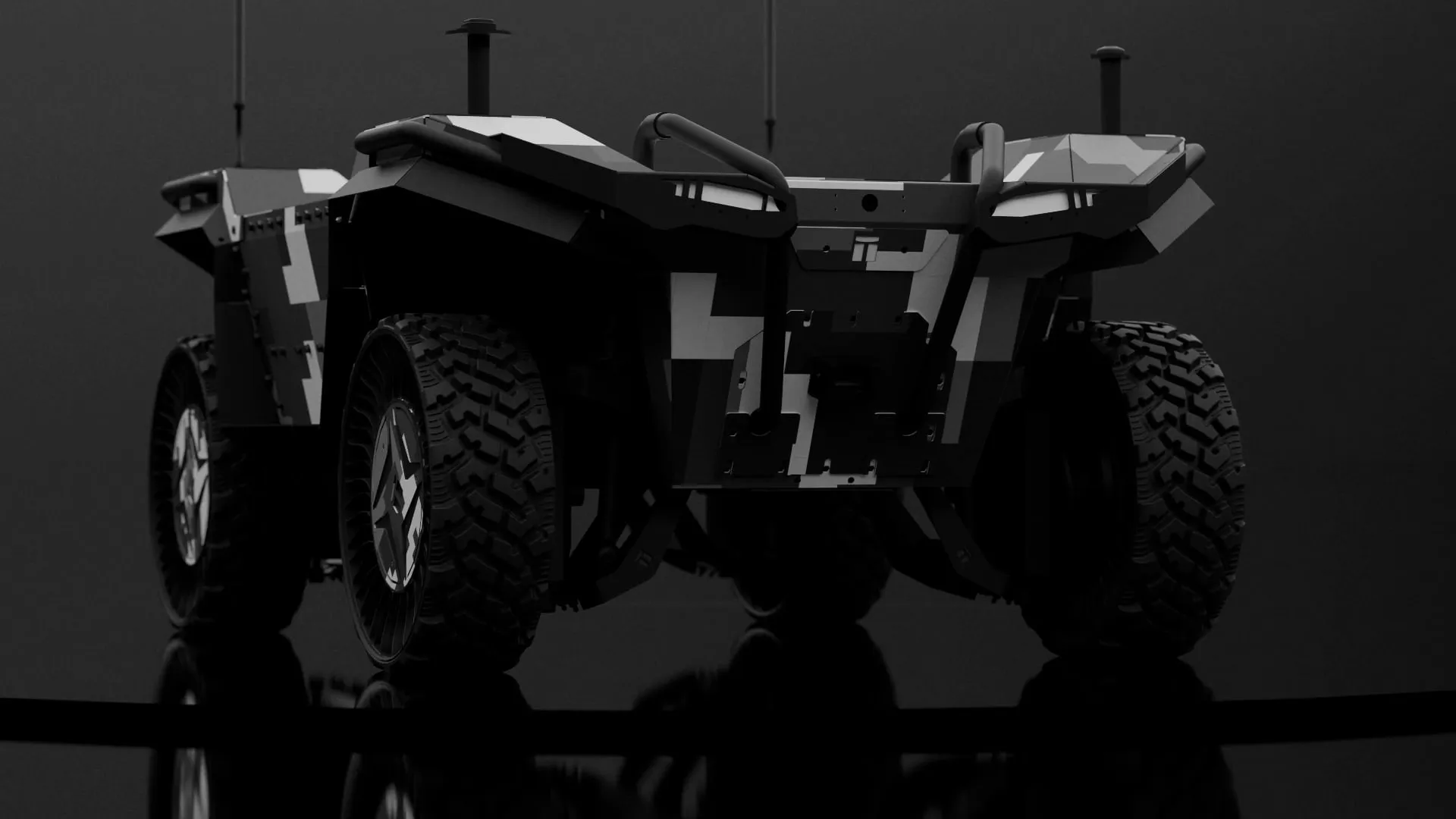
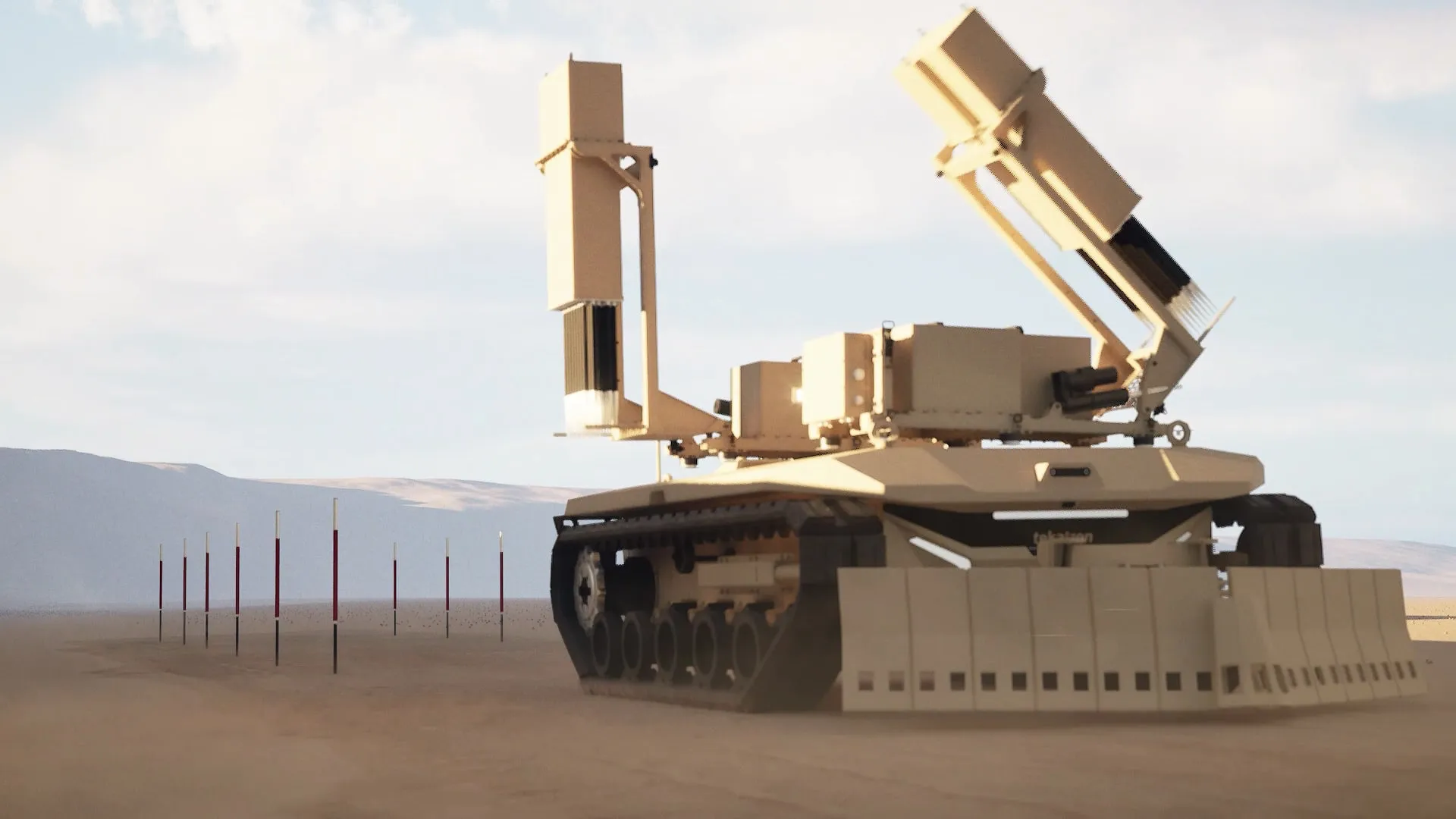
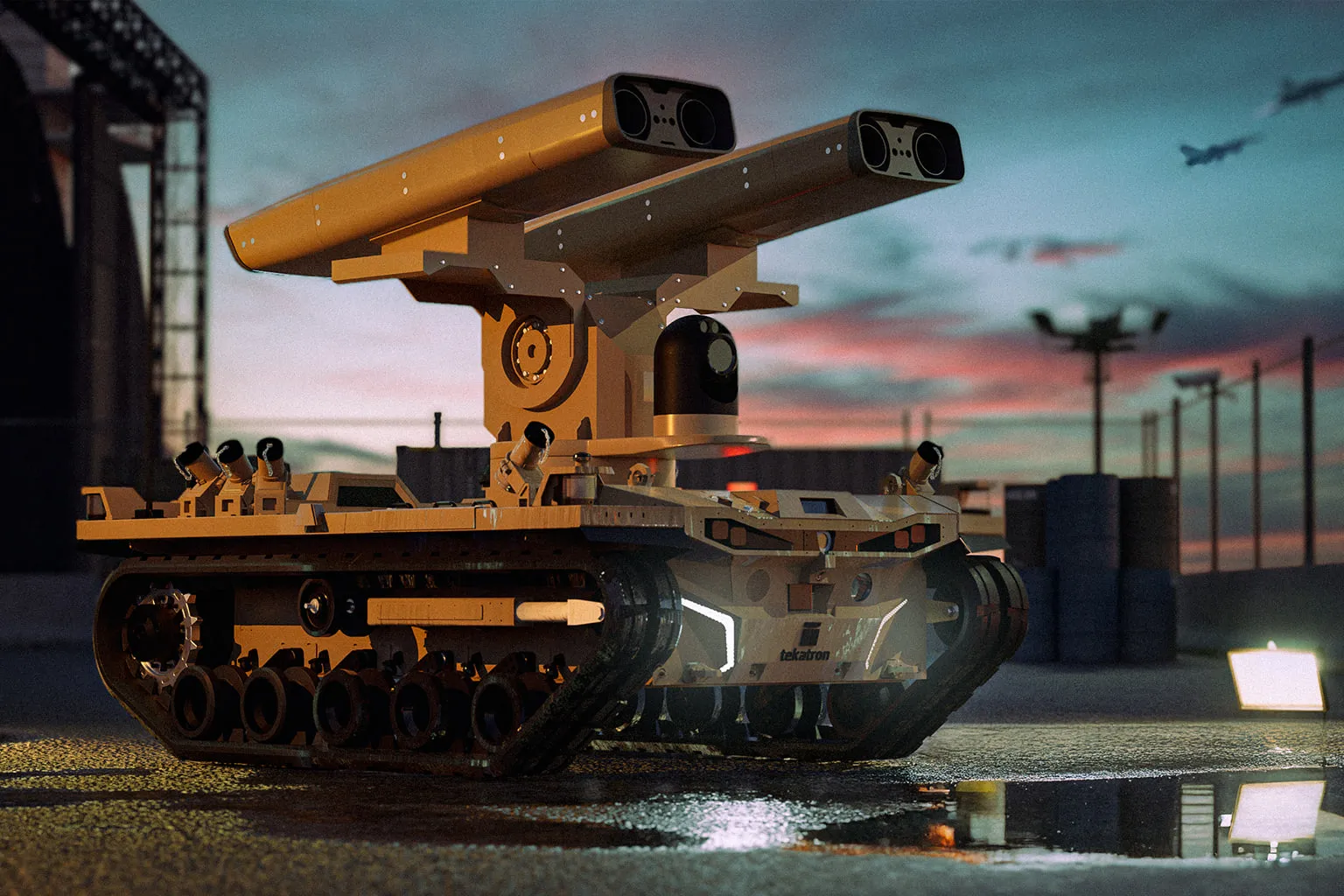
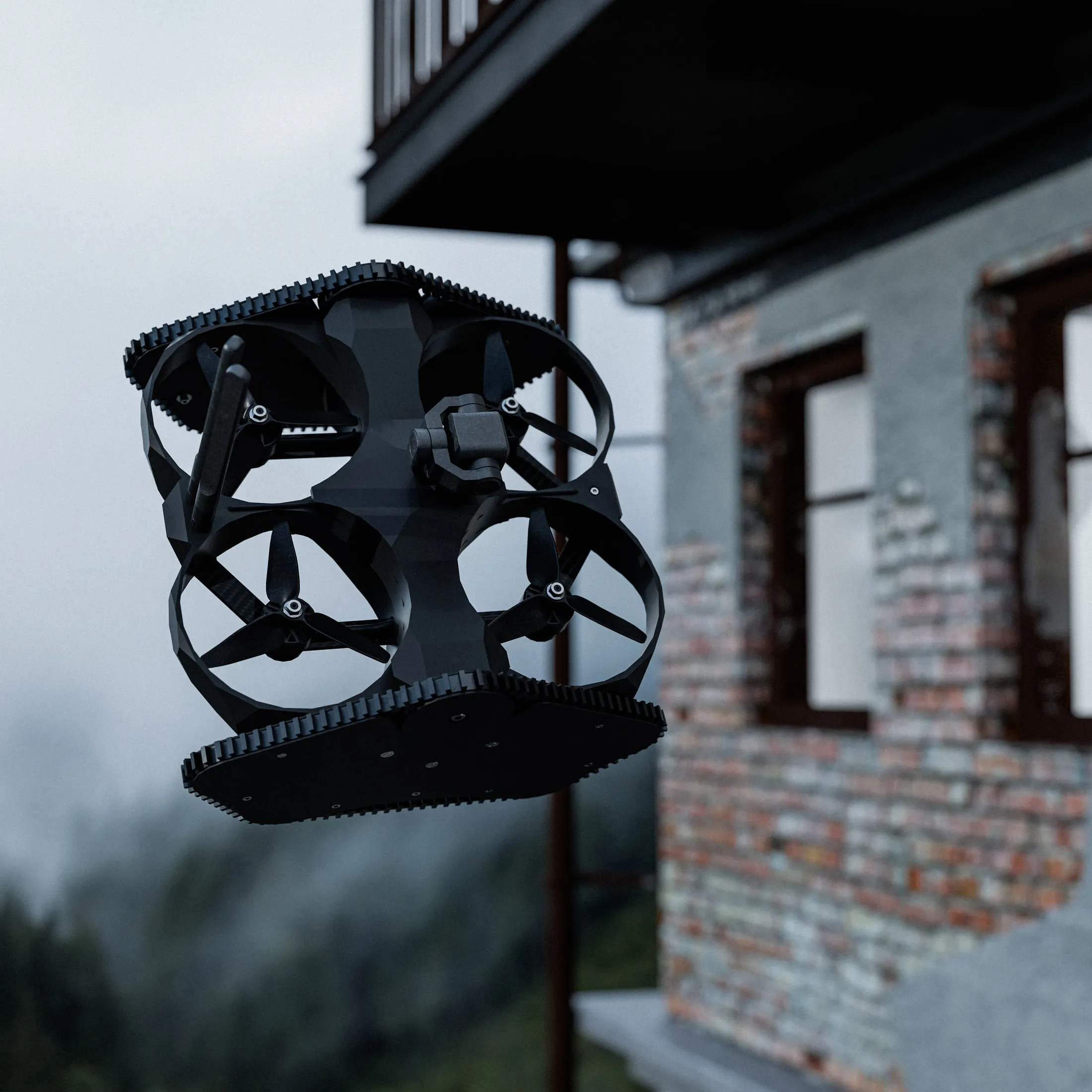
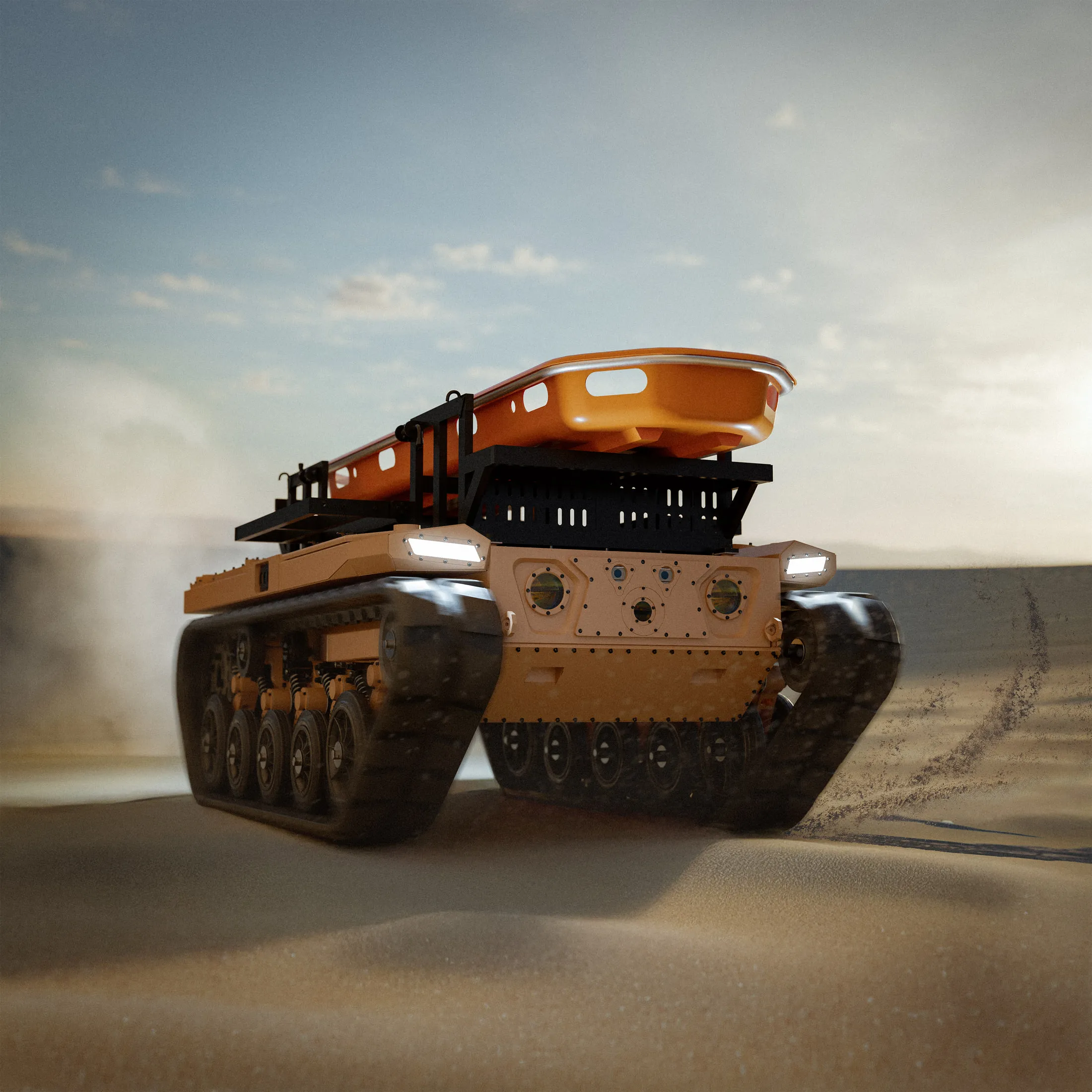
Most of our industrial work so far has been for Tekatron, a maker of unmanned ground platforms, and most of it was made before the hardware was finished. The W-UGV I launch animation introduced the platform at SAHA EXPO 2026. The PALEM prototype film was made at a very early stage, to find out whether the proportions and the payload deck read correctly before anything was committed to metal.
That is the strongest reason to animate an industrial product: the film can exist before the machine does. The launch, the trade stand and the sales deck are ready while engineering is still working, and when the design changes, the scene is re-rendered rather than reshot. For the Griffin prototype, each revision was rendered into the same scene so every version was presented on the same terms.
Defence and security platforms
Defence products have constraints of their own. They are rarely photographed in the field, the trade show date does not move, and the same platform has to be shown in several configurations and theatres. Our Tekatron work covers tracked UGVs in casualty-evacuation and logistics configurations, a hybrid platform that drives on tracks and flies for short duration, and a carbon fibre weapon tripod, rendered across desert, mountain, snow and urban environments.
For Palem, the stills were rendered in Blender and the prototype was also placed into environments in Unreal Engine, which is the difference between a picture of a vehicle and a scene the client can move a camera through while the hardware is still being built.
How it works, from the inside
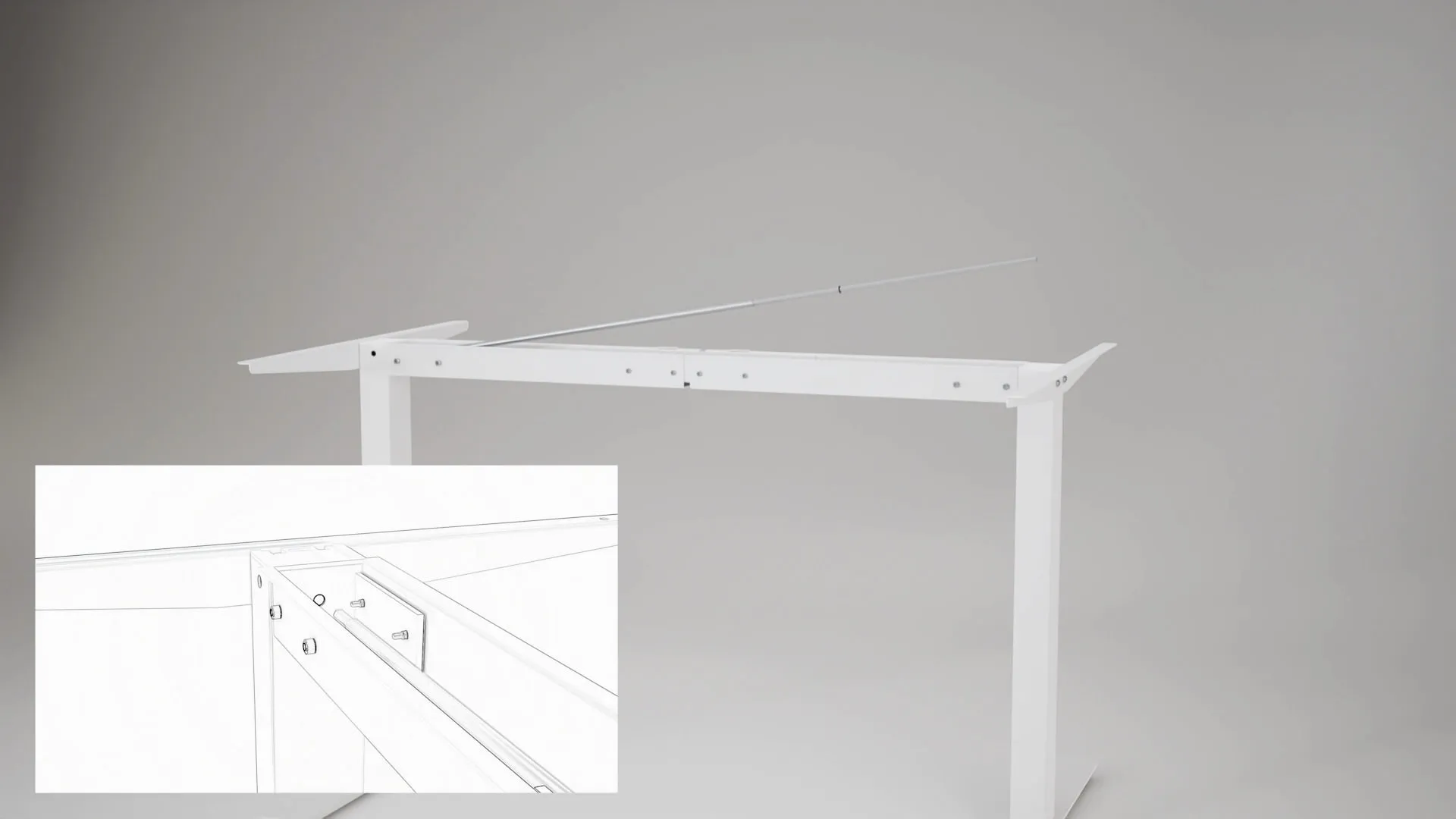
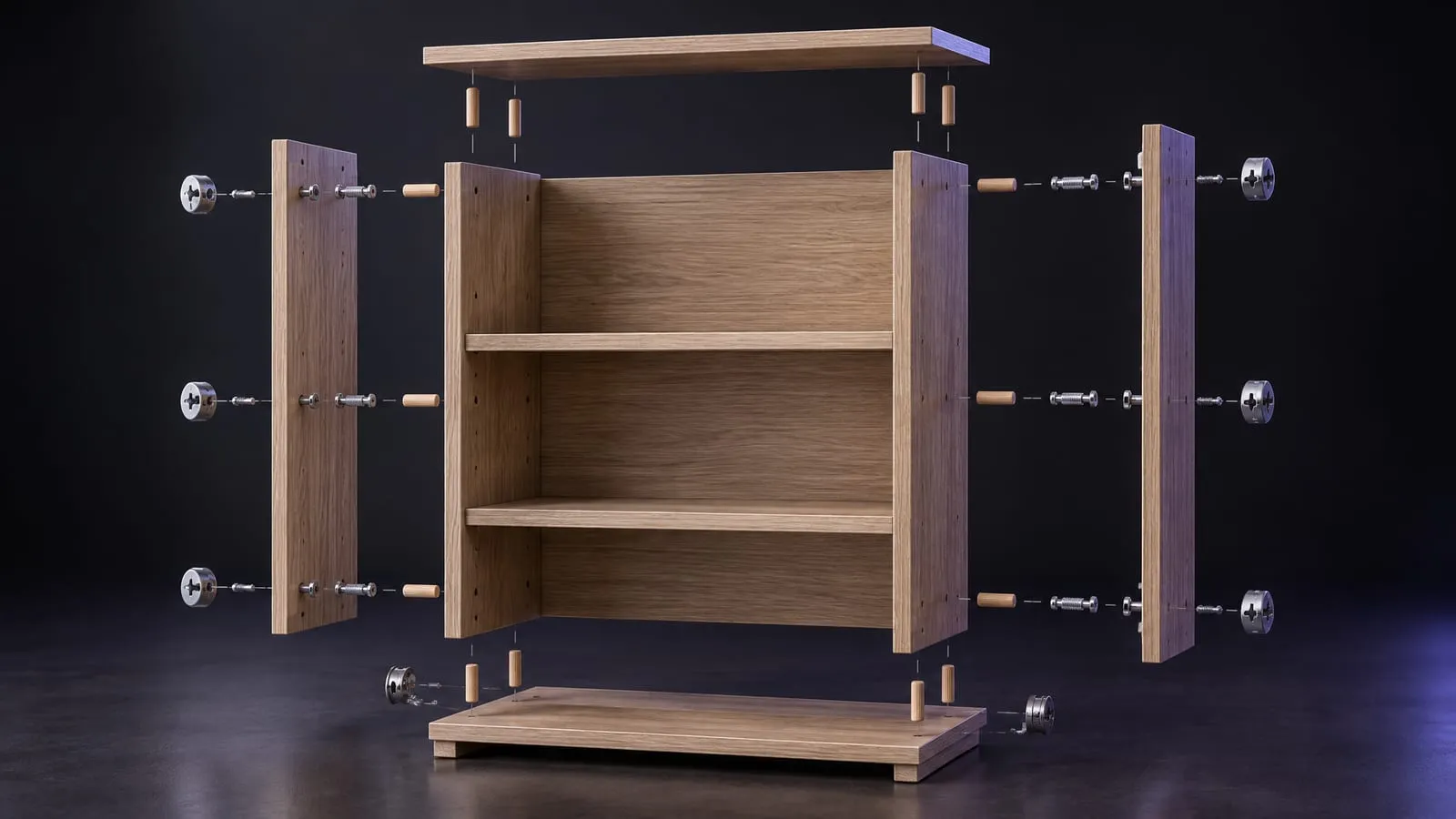
Cutaways, transparent housings and exploded sequences show the mechanism a photograph cannot reach. Because the model is your engineering geometry, the parts move along their real axes, in the order they were designed to go together. An exploded view usually runs from a single control that opens and closes the whole assembly, which makes it as useful on a looping trade stand screen as in a sales presentation.
The hard part is rarely the animation. It is establishing the correct order of parts, which usually means a conversation with whoever engineered the product, and it is worth having before anything moves.
Assembly, maintenance and safety training
The same model that sells a machine can teach people to use it. An assembly, commissioning or maintenance procedure becomes a sequence of numbered steps, with part numbers and quantities on screen and inset views for the fixings that go wrong. It is the format we already use for assembly instruction films, applied to equipment rather than flat-pack furniture.
Safety training gains the most from it. A film can show the wrong way of doing something as clearly as the right way, from any angle, without anyone being put at risk to demonstrate it, and on-screen text can be translated without re-rendering the film.
From one model to every format
An industrial film rarely runs in one place. The same master is cut into a silent loop for a trade stand screen, short versions for LinkedIn, stills for a brochure or a datasheet, and, where it helps the sale, a real-time scene a salesperson can move through on a laptop. Because every version comes from the same model, a design change updates all of them rather than one.
Capabilities
What this covers.
- Launch and product films for machinery
- Defence and security platforms
- Cutaways and exploded views
- Assembly, commissioning and maintenance procedures
- Safety and operator training
- Real-time Unreal Engine scenes
Deliverables
What you receive.
- 01Master film in 4K and 1080p
- 02Silent looping cut for trade stand screens
- 03Square and vertical cuts for LinkedIn and social
- 04Stills for brochures and datasheets
Getting started
What to send us.
The CAD assembly
The complete file is better than a simplified one. Telling us which sub-assemblies are visible saves more time than anything else.
What the film has to explain
The operating sequence, the procedure or the manual, and the one thing a viewer must understand by the end.
Where it is used
The environments the product works in, and where the film will play: a stand, a sales meeting, a training room or online.
Brand and on-screen text
Guidelines, fonts, and any part numbers, labels or captions that must appear, in each language you need.
Process
How it works.
- 01
Script or step list
What happens, in what order, agreed in writing before anything is built.
- 02
Animatic
A rough, unlit version cut to length, so timing and camera can be changed while that is still cheap.
- 03
Materials and lighting
Surfaces matched to the real product, and environments built for the places it works.
- 04
Render and edit
Callouts, text and the cuts for each format. Two revision rounds are included.
- 05
Delivery
The master and every cut you need, with full commercial rights transferred on final payment.
Questions
Common questions.
Still unsure about something? Email us and a real person replies, usually the same day.
How much does industrial 3D animation cost?
It is quoted against the product and the brief. The cost turns on the length of the film, how many parts move, how much the CAD needs preparing, and how many cuts and languages you need. If we have already rendered the product, the model exists and much of the build is done.
How long does an industrial animation take?
Animation projects typically run two to four weeks depending on scope. If the film is for a trade show, tell us the date at the brief, and we will commit to a delivery date in writing before starting.
Can you work from large engineering assemblies?
Yes, and we would rather have the complete file than a version simplified by guesswork. Assemblies can run to tens of thousands of parts, most of them hidden, so telling us which sub-assemblies are visible is the most useful thing you can do.
Can the product be shown in its working environment?
Yes. Tekatron’s platforms were rendered across desert, mountain, snow and urban settings from the same model, and the environment can be built to match where your equipment actually operates.
Do you make training and safety videos?
Yes. Procedures are built as numbered steps with part numbers and callouts on screen, the same format as our assembly instruction films, and text is added in the edit so it can be translated without re-rendering.
Can the animation be interactive?
Yes. Built in Unreal Engine, the scene runs in real time, so a salesperson or trainer can move the camera, open the assembly and show the part a customer asks about.
Related services
More from 3D Animation.

3D Animation
Motion that explains the product and sells the idea.
Custom quote
Assembly Animation
Instruction films and short listing cuts that show how a product goes together.
Custom quote
CGI Product Ads
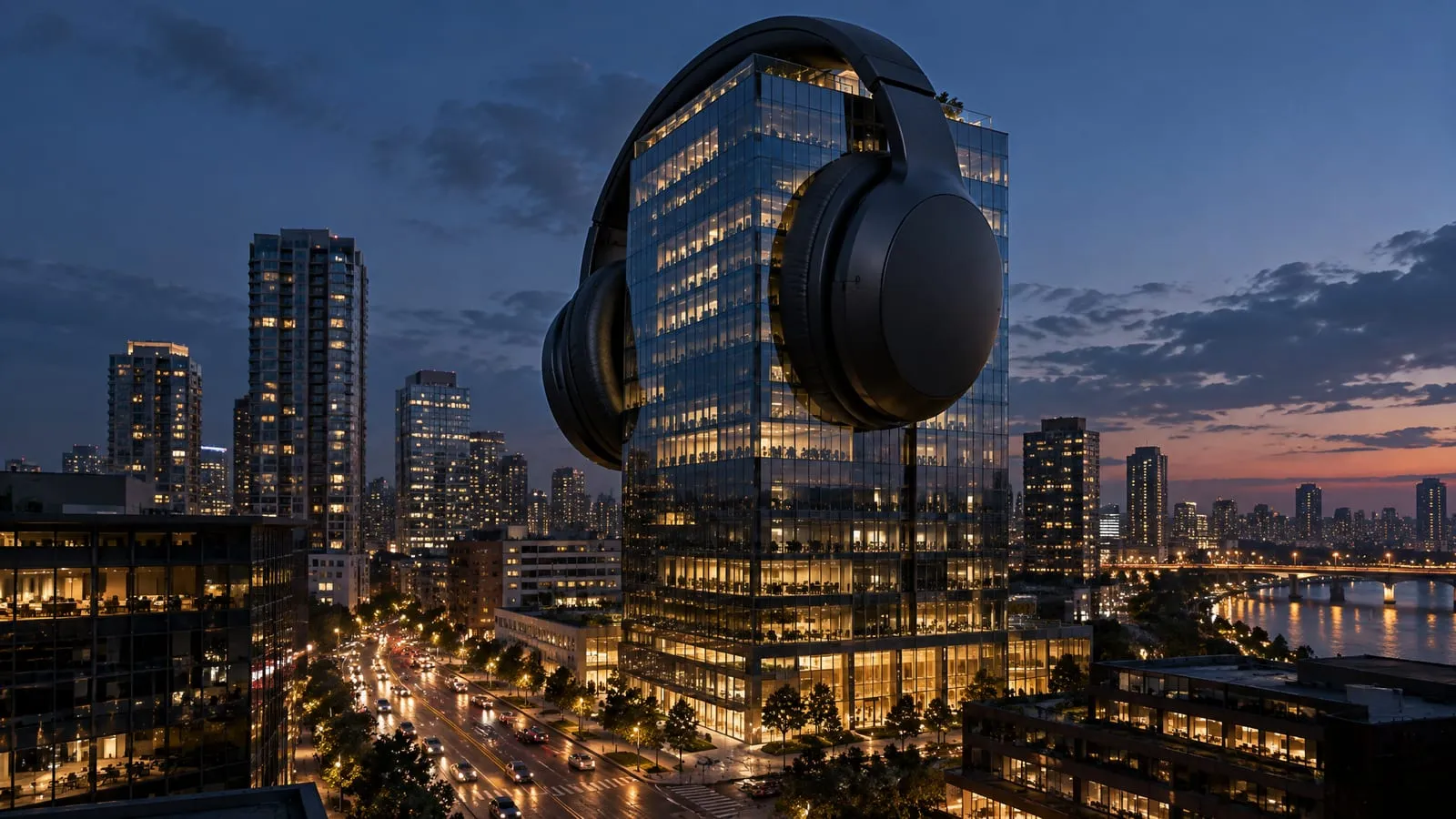
Launch films, social cutdowns and FOOH campaigns, built from the product model.
Custom quote
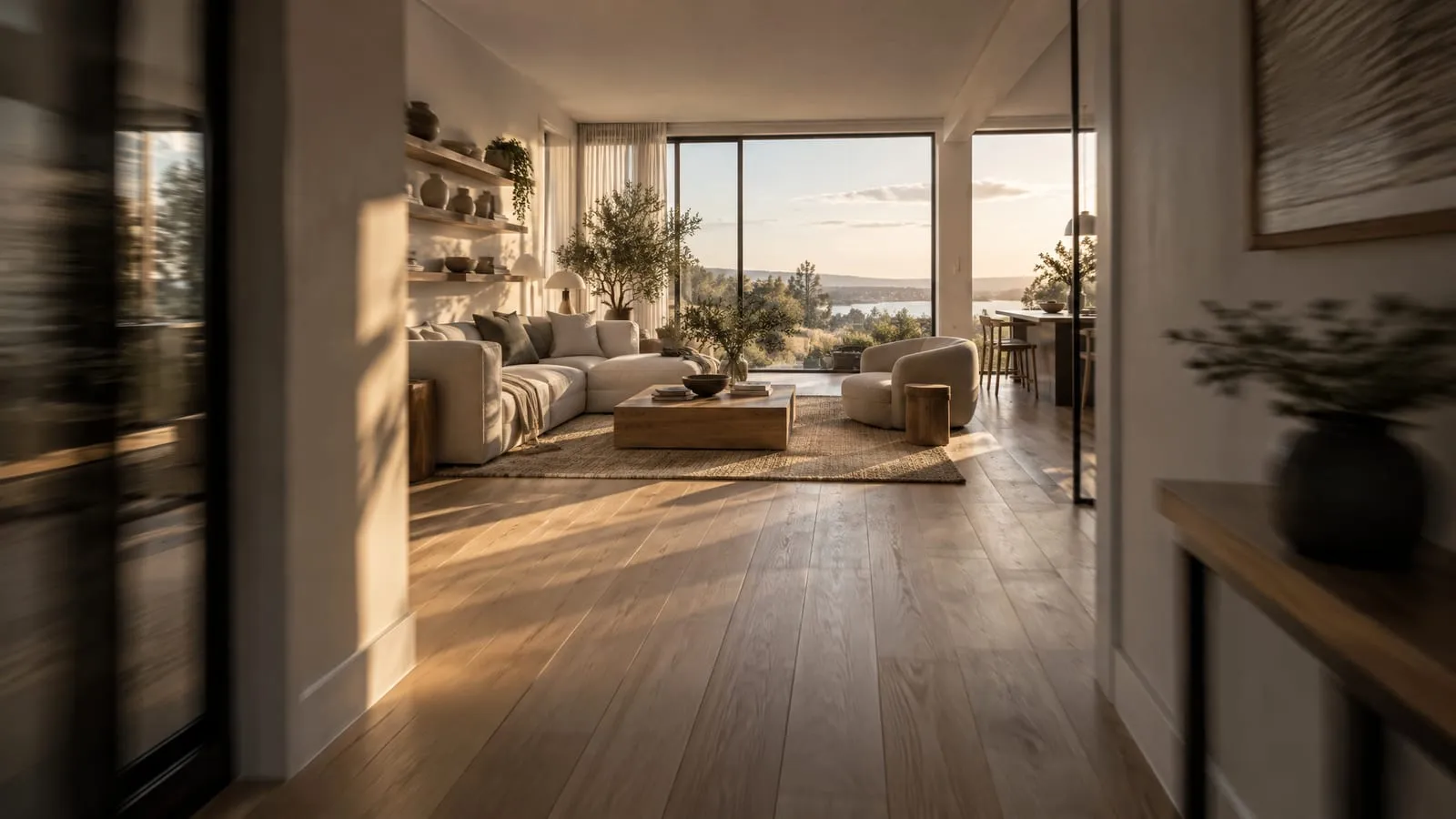
Interior Walkthrough Animation
A film through the finished rooms, or a real-time tour a client can walk themselves.
Custom quote
From the blog
Worth reading first.
Let's get your product
ready to launch.
Send us your CAD files, a sketch, or just a description of what you are building, and tell us how far you need it taken. We come back with a fixed quote and a date.